Thinkingdojo Fashion Style: Dressing With Quiet Flair
Introduction
Thinkingdojo Fashion Style blends thoughtful simplicity with expressive detail, creating outfits that feel personal without becoming costume-like. It values proportion, texture, and intention over frantic trend-chasing. The result is a practical approach to getting dressed: polished enough for real life, relaxed enough for movement, and distinctive enough to spark recognition.
Advertisement
The Philosophy Behind the Look
At its heart, Thinkingdojo Fashion Style is less about following a fixed uniform and more about developing a visual point of view. The word “thinking” matters: each garment earns its place through usefulness, beauty, or emotional connection. Instead of asking whether an outfit is currently fashionable, the wearer asks whether it feels balanced, comfortable, and genuinely theirs. That shift removes much of the pressure surrounding clothing. A wardrobe no longer needs to perform like a social media feed; it simply needs to support the person inside it.
Advertisement
Start With Shape and Proportion
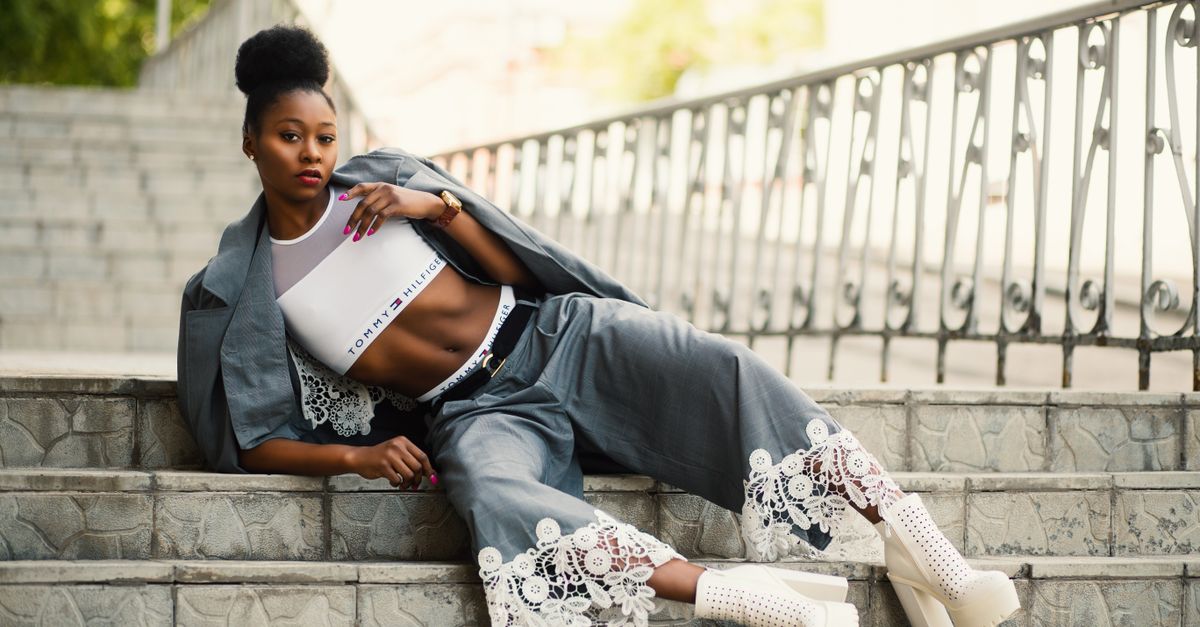
Thinkingdojo Fashion Style relies heavily on proportion because silhouettes communicate before colors and details get a chance to speak. A roomy shirt paired with straight trousers can look calm and architectural, while a fitted knit beneath a full skirt creates a softer contrast. The goal is not mathematical perfection but visual conversation. If one piece is oversized, another can provide structure. If an outfit is cropped, a longer layer may restore balance. Experimenting with these relationships makes familiar clothing feel fresh without requiring a shopping spree.
Advertisement
Build a Considered Color Palette
Thinkingdojo Fashion Style often works best with a flexible color foundation rather than a rigid set of approved shades. Neutrals such as charcoal, cream, navy, olive, and brown create dependable anchors, while one unexpected color can add personality. A rust scarf, cobalt shoe, or pale-lilac shirt may be enough to prevent an outfit from becoming visually sleepy. Color repetition also creates cohesion: matching a small accessory to a stripe, button, or printed detail can make separate pieces appear intentionally connected. In fashion, tiny clues can do surprisingly heavy lifting.
Advertisement
Texture Makes Simplicity Interesting
Thinkingdojo Fashion Style uses texture to give understated outfits depth. Smooth cotton, brushed wool, crisp poplin, ribbed jersey, washed denim, and polished leather each reflect light differently and create a distinct tactile impression. Combining two or three textures can make a simple palette feel rich without introducing loud patterns. Consider a soft sweater with structured trousers, or a waxed jacket over a flowing skirt. These contrasts add movement and character, proving that quiet dressing does not have to mean visually flat dressing.
Advertisement
Choose Details With Purpose
Thoughtful accessorizing is another foundation of Thinkingdojo Fashion Style. Rather than piling on every attractive object, choose details that reinforce the outfit’s mood. A sculptural ring may sharpen a minimal look, while a vintage watch can add warmth and history. Shoes are especially powerful because they alter the apparent attitude of an outfit: loafers suggest polish, trainers bring ease, and sturdy boots add weight. Bags, belts, glasses, and jewelry should feel like deliberate punctuation marks, not random words scattered across a sentence.
Advertisement
Create a Useful Wardrobe System
A strong wardrobe is not necessarily a large wardrobe. Begin by identifying the garments worn most often and noticing what they have in common. Perhaps the preferred pieces are relaxed, natural-fiber, lightly structured, or easy to layer. That observation becomes a practical design brief. From there, fill gaps rather than duplicates: a reliable jacket, versatile trousers, comfortable everyday shoes, and a few expressive pieces can provide more combinations than a crowded rail of nearly identical purchases. Maintenance matters too. Clean lines, repaired hems, polished footwear, and properly stored knitwear make even modest clothing look more considered.
Advertisement
Personal Expression Without Costume
The most successful version of this approach leaves room for contradiction. Someone may pair a severe blazer with playful socks, combine workwear with delicate jewelry, or wear an elegant coat over relaxed basics. These choices keep the wardrobe human rather than overly curated. Personal style develops through repetition, but it should not become a prison. Clothing can reflect changing moods, seasons, occupations, and stages of life while still retaining a recognizable thread. The thread might be a preference for earthy colors, unusual proportions, handmade accessories, or simply an insistence on comfort.
Advertisement
Adapting the Style to Daily Life
Aesthetic ideas become useful only when they survive ordinary mornings, changing weather, commuting, sitting, walking, and unexpected plans. Build outfits around the day’s actual demands, then add one element that expresses personality. For a busy schedule, that might mean trousers with stretch, a washable overshirt, and distinctive earrings. For a creative workplace, it could be a layered monochrome look with an unusual silhouette. The important principle is alignment: practical choices should not erase individuality, and expressive choices should not make daily life unnecessarily difficult. Style works best when it cooperates.
Advertisement
A More Mindful Approach to Shopping
This philosophy also encourages a calmer relationship with consumption. Before buying something, consider at least three existing outfits it could join, the occasions it would serve, and whether its fabric and construction suit regular wear. Waiting briefly can separate genuine interest from the temporary thrill of novelty. Secondhand stores, clothing swaps, tailoring, and repairs can all expand creative possibilities while reducing waste. The point is not to pursue perfect minimalism or impose guilt around purchases. It is to make decisions with enough awareness that the wardrobe feels authored rather than accidentally accumulated.
Advertisement
Conclusion
Thinkingdojo Fashion Style offers a flexible way to dress with clarity, comfort, and personality. Its key tools are proportion, texture, color, purposeful accessories, and a wardrobe built around real life. Rather than chasing constant novelty, it turns attention toward choices that feel useful and genuinely expressive.
Advertisement