Why Daily Clothes Become a Language of Self-Expression
Clothing as a Quiet Introduction
Everyday clothing does more than cover the body: it communicates mood, identity, habits, and belonging. From a favorite sweatshirt to carefully chosen shoes, ordinary outfits can quietly signal confidence, creativity, practicality, or rebellion. Personal style is therefore less about chasing trends than translating inner life into visible form.
Advertisement
Style Begins with Familiar Choices
How Everyday Fashion Style Shapes Personal Expression often starts with the pieces people reach for without much thought. A well-worn jacket may represent comfort, while bright colors can reflect optimism or a willingness to stand out. These decisions become meaningful because they are repeated. Over time, certain silhouettes, fabrics, and accessories form a recognizable visual vocabulary. Even a deliberately simple outfit communicates priorities, such as efficiency, modesty, or ease. Style does not require a packed wardrobe or a celebrity budget; it grows from the relationship between clothing and the person wearing it.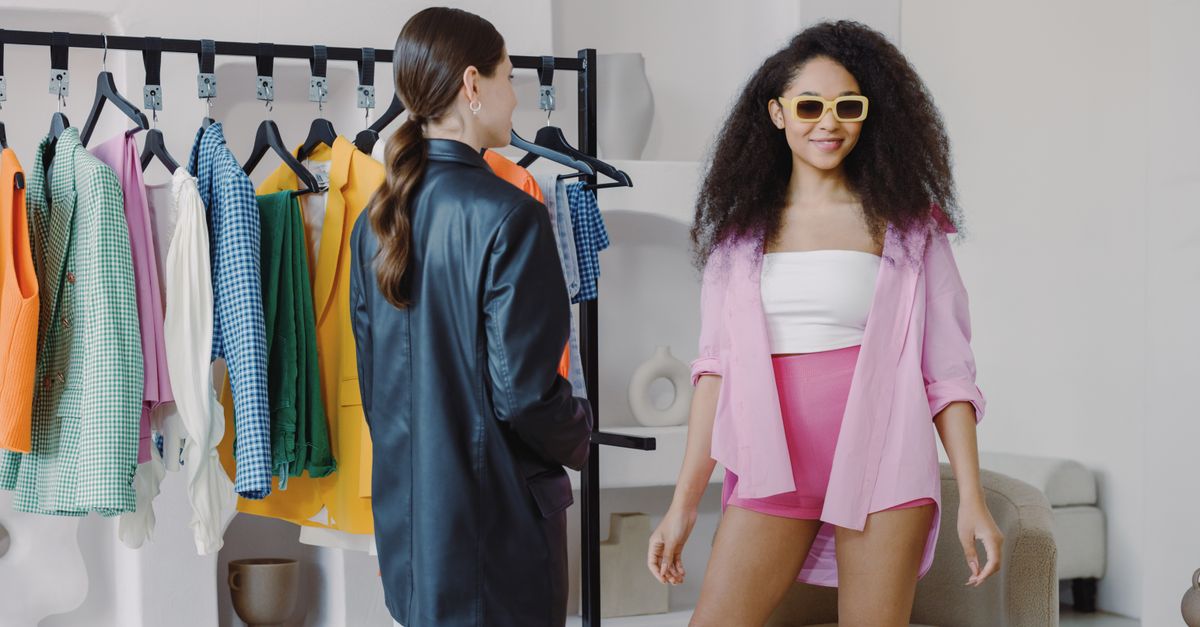
Advertisement
The Psychology Behind Getting Dressed
How Everyday Fashion Style Shapes Personal Expression also involves the emotional effect of getting dressed. Clothing can influence posture, energy, and confidence before a person leaves home. A structured coat may encourage a more focused mindset, while soft layers can create a sense of security on a demanding day. This does not mean garments magically transform personality. Rather, they can act as useful reminders of qualities someone wants to feel or project. Dressing becomes a small daily ritual, offering a moment of control in a world that frequently arrives without consulting the calendar.
Advertisement
Culture, Community, and Belonging
How Everyday Fashion Style Shapes Personal Expression is closely connected to culture and community. Clothing can acknowledge family traditions, professional roles, music scenes, neighborhoods, or online communities. A particular scarf, pattern, or hairstyle may carry memories and shared meanings that outsiders do not immediately recognize. At the same time, people often adjust their appearance across settings, balancing individual taste with social expectations. Wearing a uniform, for example, creates belonging while leaving room for personality through shoes, jewelry, grooming, or small details. Style is personal, but it is never created in complete isolation.
Advertisement
Trends Versus Individual Identity
How Everyday Fashion Style Shapes Personal Expression becomes especially clear when trends enter the wardrobe. Trends provide a common reference point, giving people new colors, shapes, and styling ideas to experiment with. Yet copying a look exactly can feel less satisfying than adapting it. One person may pair a popular oversized shirt with tailored trousers; another may combine it with vintage denim or practical boots. Personal expression emerges in the edits. Trends are ingredients, not instructions, and the most memorable outfits usually reveal how someone has interpreted rather than merely repeated a fashionable idea.
Advertisement
The Meaning of Color and Texture
How Everyday Fashion Style Shapes Personal Expression can be seen in the sensory details people choose. Color often carries immediate emotional associations: black may suggest authority or simplicity, while yellow can appear playful and energetic. Texture adds another layer, with denim feeling familiar, wool appearing reassuring, and satin creating movement and polish. These meanings are not universal, and personal memories matter enormously. A color associated with a childhood room may feel comforting to one person and dull to another. Clothing becomes expressive because visual and tactile choices interact with experience.
Advertisement
Dress, Change, and Personal Growth
How Everyday Fashion Style Shapes Personal Expression changes as people move through different stages of life. A new job, city, friendship group, or hobby can alter what feels useful and authentic. Someone may exchange formal clothing for relaxed layers, discover a love of vivid prints, or return to a style once dismissed as impractical. Such shifts are not evidence of inconsistency. They show that identity is developing. A wardrobe can become a record of changing priorities, with older garments preserving earlier versions of the self and newer ones making room for what comes next.
Advertisement
Authenticity Without Perfection
How Everyday Fashion Style Shapes Personal Expression does not require flawless coordination or constant originality. Authenticity can look polished, eccentric, understated, or wonderfully repetitive. Wearing the same favorite combination several times may express confidence more clearly than assembling a different outfit every morning. Practical limits also matter: budgets, weather, work requirements, mobility, and laundry all influence what people wear. Personal style exists within real life, not inside a magazine spread. The goal is not to perform uniqueness at all times but to make choices that feel reasonably comfortable, meaningful, and true.
Advertisement
Conclusion: A Visible Everyday Language
Clothing gives people a flexible language for expressing mood, identity, culture, and change. Small choices in color, fit, texture, and repetition can communicate as much as dramatic statement pieces. Personal style grows through experimentation, adaptation, and the meanings attached to familiar garments. In the end, getting dressed is an ordinary act with surprisingly rich expressive power.
Advertisement