How Modern Fashion Style Trends Shape Daily Dressing
A Broader Definition of Personal Style
Modern Fashion Style Trends And Insights now reflect a broader conversation about identity, comfort, technology, and responsibility. Clothes still communicate taste, but they also respond to changing work patterns, cultural exchange, climate concerns, and digital influence. The result is a wardrobe landscape that feels more flexible, expressive, and pleasantly difficult to label.
Advertisement
Comfort Takes a More Polished Shape
Modern Fashion Style Trends And Insights increasingly place comfort beside sophistication rather than treating the two as rivals. Relaxed trousers, oversized shirts, soft tailoring, and refined knitwear have moved from occasional casual choices into everyday rotation. Stretch fabrics and breathable materials make clothing easier to wear, while sharp cuts, thoughtful proportions, and restrained colors prevent comfort from looking careless. The modern goal is not to appear as though one has surrendered to a sofa, but to look composed while feeling ready for nearly anything. This balance has made versatile pieces especially valuable: a knitted jacket can work in an office, on a train, or over dinner without requiring a complete outfit change.
Advertisement
Tailoring Becomes More Flexible
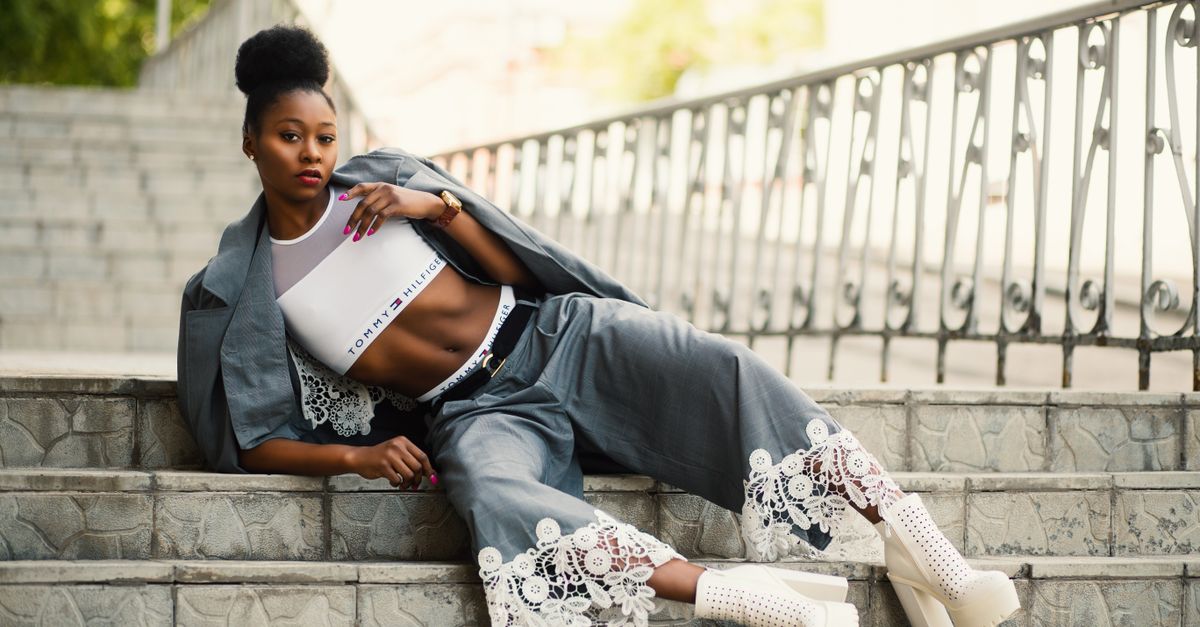
One of the clearest Modern Fashion Style Trends And Insights is the reinvention of tailoring. Traditional suits remain relevant, but their modern versions often feature softer shoulders, wider trousers, cropped jackets, and unexpected textures. Instead of rigid uniformity, tailoring now supports movement and personality. A blazer may be worn with denim, a vest may replace a conventional shirt, or matching separates may be split across several outfits. This flexibility also encourages smarter shopping because one well-cut jacket can serve multiple purposes. Neutral shades such as charcoal, navy, cream, and brown remain dependable, while occasional checks, pinstripes, or saturated colors provide visual energy without turning every morning into a costume fitting.
Advertisement
Color and Texture Add Character
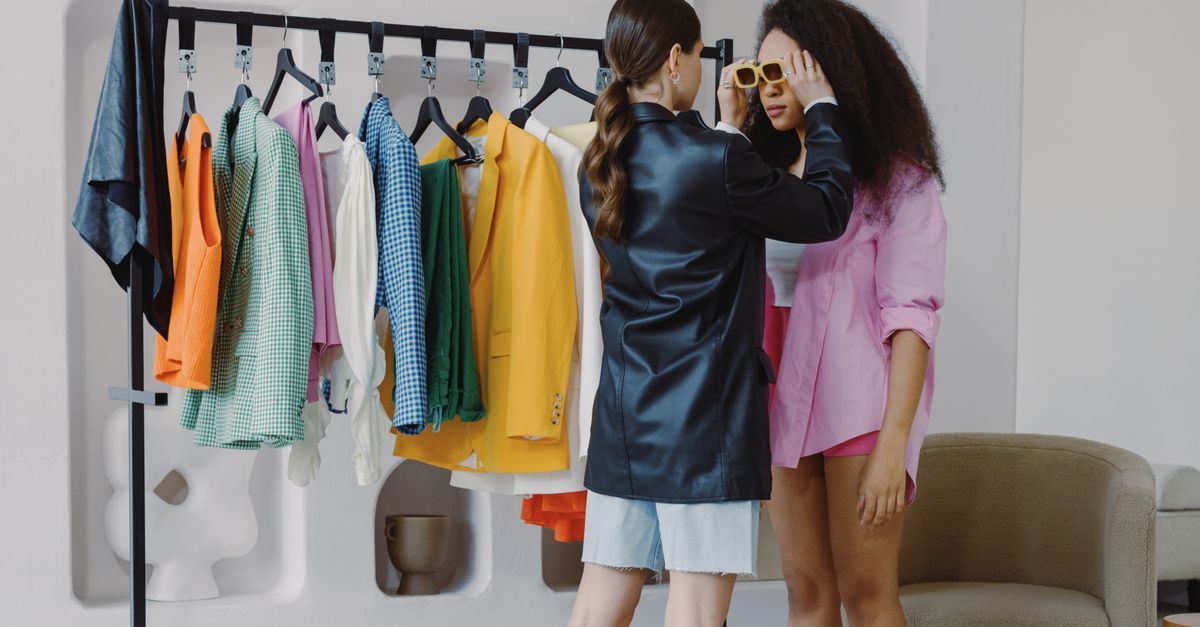
Modern Fashion Style Trends And Insights also show a renewed appetite for texture. Suede, corduroy, brushed wool, sheer layers, satin, and tactile knits give simple silhouettes more depth. Color is becoming similarly expressive, with earthy greens, butter yellow, deep red, soft blue, and warm metallics appearing alongside familiar neutrals. The most wearable approach is often contrast: pair a vivid accessory with a calm base, or combine a textured garment with smoother fabrics. This method creates interest without overwhelming the person wearing it. In practical terms, texture can make a small wardrobe feel larger because the same basic shape looks entirely different in denim, linen, leather, or knitwear.
Advertisement
Sustainability Moves Beyond Slogans
Among the most important Modern Fashion Style Trends And Insights is the shift toward longer-lasting consumption. Many shoppers are paying closer attention to fiber content, garment construction, repairability, and brand transparency. Buying fewer but better-made pieces is not a magical solution to fashion’s environmental challenges, yet it can reduce waste and encourage more deliberate choices. Secondhand shopping, clothing swaps, repairs, and rental services have also become more visible and socially comfortable. Sustainability now includes maintenance as much as purchasing: washing carefully, storing garments properly, and repairing small defects can extend their useful life. A jacket that survives several seasons is quietly more impressive than one that merely photographs well for a week.
Advertisement
Technology Changes How Trends Travel
Digital culture continues to accelerate Modern Fashion Style Trends And Insights. Social platforms allow ideas to move rapidly between cities, age groups, and subcultures, while recommendation systems expose people to styles they might never encounter locally. This creates exciting experimentation but can also produce trend fatigue, as yesterday’s must-have may become tomorrow’s forgotten screenshot. Virtual try-ons, artificial-intelligence styling tools, and personalized shopping platforms are making discovery more interactive, although human judgment remains essential. Algorithms can suggest a color or silhouette, but they cannot fully understand someone’s routines, climate, comfort preferences, or sentimental attachment to an old jacket. Technology is useful as a tool, not a substitute for taste.
Advertisement
Individuality Matters More Than Uniformity
Modern Fashion Style Trends And Insights increasingly favor personal editing over strict fashion rules. People are mixing decades, cultures, price points, and levels of formality to create wardrobes that feel specific to their lives. Vintage denim may sit beside contemporary sportswear; delicate jewelry may accompany practical boots; a formal coat may be worn with relaxed trousers. This approach reflects a broader rejection of the idea that style must belong to one category. The strongest outfits often contain a small tension: masculine and delicate, formal and playful, minimal and decorative. Such combinations feel memorable because they reveal choices rather than simply reproducing a complete look from a storefront mannequin.
Advertisement
Practical Dressing for Changing Lives
The everyday value of Modern Fashion Style Trends And Insights lies in adaptability. Hybrid work, frequent travel, unpredictable weather, and busy schedules have made transitional clothing especially useful. Layering provides both visual variety and practical control, while lightweight outerwear, comfortable footwear, and coordinated separates reduce the stress of getting dressed. Capsule wardrobes remain popular because they emphasize compatibility, though a capsule need not be bland or tiny. A few reliable foundations can support distinctive accessories, statement pieces, and seasonal experiments. The best wardrobe is not necessarily the largest one; it is the one that helps its owner move through different settings without constant discomfort or frantic outfit negotiations.
Advertisement
The Future Looks More Personal
The next phase of fashion will likely be defined less by a single dominant look and more by informed choice. Modern Fashion Style Trends And Insights point toward wardrobes that combine comfort, craft, technology, sustainability, and self-expression. Trends will continue to circulate quickly, but consumers are becoming better at deciding which ideas genuinely suit their bodies, budgets, values, and routines. That selectiveness may be fashion’s most useful development. Contemporary dressing is no longer about obeying one seasonal message; it is about building a visual language that can evolve without losing its author.
Advertisement