How Daily Style Culture Shapes Modern Everyday Living
Introduction
Daily Style Culture is the shared rhythm of clothes, grooming, objects, and habits that helps people signal identity in ordinary life. Family, place, media, work, and personal taste shape it, while social change keeps revising it. More than a parade of trends, it is a conversation between self-expression, belonging, practicality, and meaning.
Advertisement
From Tradition to Personal Choice
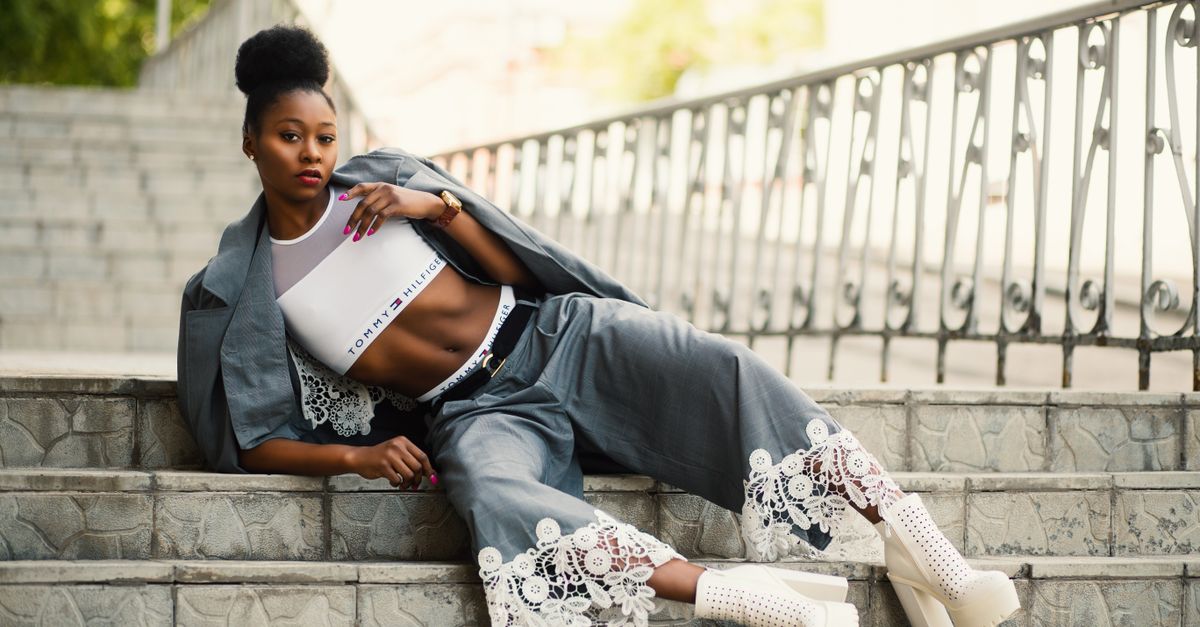
Daily Style Culture did not appear with social media or fashion magazines; it grew from older customs surrounding class, occupation, religion, climate, and community. Clothing once announced a person’s profession or social position with remarkable efficiency. A uniform, woven pattern, hat, or fabric could tell a story before anyone said hello. Modern life has loosened many of those rules, but it has not erased them. Office wear, festival clothing, school uniforms, and regional dress still communicate expectations. The difference is that people now mix inherited traditions with global influences, secondhand discoveries, and personal experiments. A single outfit might combine family heritage, streetwear, vintage tailoring, and practical footwear—an unlikely committee that somehow reaches agreement.
Advertisement
Identity in the Everyday
At its heart, Daily Style Culture gives people a manageable way to explore identity. A haircut, favorite color, decorated room, or carefully chosen pair of shoes can express moods and values that are difficult to explain directly. These choices may be subtle, yet they often carry emotional weight. Someone might dress in bright colors to project optimism, choose minimal furniture to create calm, or collect handmade objects to feel connected to craft. Style also changes with life stages. Students, new parents, professionals, retirees, and artists often adjust their appearance as responsibilities and environments shift. This does not mean every choice is deeply symbolic; sometimes comfortable trousers are simply comfortable trousers. Still, even practicality can become part of a recognizable personal signature.
Advertisement
The Role of Media and Technology
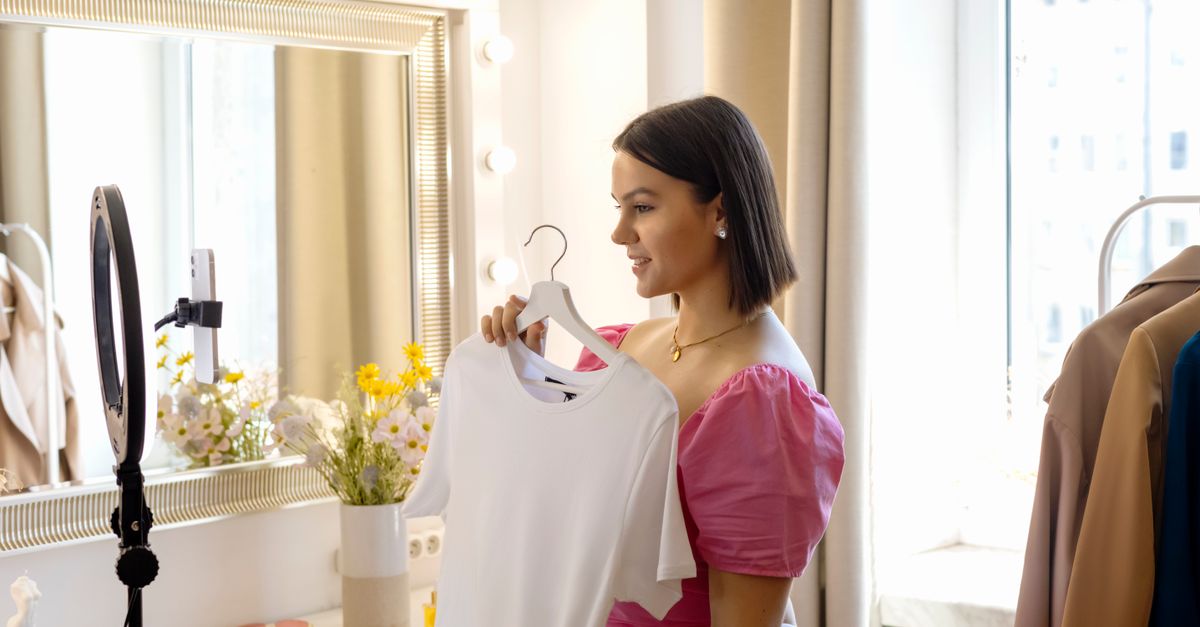
Digital platforms have accelerated the exchange of ideas, turning local preferences into global references almost overnight. A hairstyle developed in one city can become popular across several continents before traditional magazines have finished arranging their photographs. Video platforms, image boards, livestreams, and online communities allow people to teach, imitate, remix, and critique styles in real time. This speed has benefits: niche interests gain visibility, independent designers find audiences, and people can discover communities that may not exist nearby. It also creates pressure to remain visually current. Algorithms tend to reward novelty, making ordinary life feel like a continuous audition for the camera. The result is a curious tension between authenticity and performance, with many people trying to look effortless through considerable effort.
Advertisement
Buying, Selling, and Making Meaning
Daily Style Culture is closely tied to commerce, because businesses transform preferences into products, services, and experiences. Brands study color palettes, search habits, cultural movements, and customer feedback to predict what people may want next. Retailers no longer sell only objects; they sell narratives about confidence, freedom, nostalgia, sustainability, or belonging. Consumers, however, are not passive targets. They adapt products, combine labels, repair purchases, and give old items new meanings. A mass-produced jacket can become distinctive through patches, tailoring, or years of use. Meanwhile, independent makers and local shops often attract customers by offering stories, craftsmanship, and human connection. The modern marketplace therefore operates as both a commercial system and a stage on which people negotiate taste, status, and values.
Advertisement
Inclusion and Representation
Style becomes more meaningful when more people are allowed to participate in defining it. For decades, mainstream industries often presented narrow ideas about beauty, gender, age, body shape, ability, and cultural belonging. Those limits excluded many customers and made everyday self-expression unnecessarily difficult. Greater representation has widened the visible range of what can be considered stylish, professional, festive, or ordinary. Adaptive garments, gender-inclusive collections, extended sizing, textured-hair representation, and models from varied backgrounds are not merely marketing details; they can change whether people feel recognized. Progress remains uneven, and representation can become superficial when it is not supported by fair employment or genuine design consideration. Even so, broader participation makes the cultural conversation more accurate, useful, and interesting.
Advertisement
Sustainability and the Value of Enough
Environmental concerns are reshaping the relationship between style and consumption. Fast production makes novelty affordable, but it can also create waste, resource strain, and exhausting cycles of replacement. In response, many people are exploring repair, resale, rental, upcycling, capsule wardrobes, durable materials, and slower purchasing habits. These approaches do not require everyone to become a perfectly disciplined minimalist, a heroic standard that would make most closets feel guilty. Instead, they encourage more thoughtful questions: Will this item be used often? Can it be maintained? Does its quality justify its cost? Sustainability also involves cultural durability. A well-made object that remains useful and emotionally valued for years may have a smaller footprint than a supposedly responsible purchase that quickly becomes another forgotten possession.
Advertisement
Community, Confidence, and Change
Daily Style Culture also creates community by giving people shared references and low-pressure ways to connect. Compliments about shoes, discussions of local designers, and exchanges of styling advice can open conversations between strangers. Subcultures use dress, music, language, and visual symbols to create belonging, sometimes building support networks where formal institutions have failed. At the same time, style can exclude when certain appearances are treated as proof of intelligence, morality, wealth, or competence. Recognizing that bias is important because preferences are shaped by access as well as taste. Confidence should not depend on purchasing power, and no single aesthetic deserves to be treated as the universal standard. The healthiest communities leave room for experimentation, disagreement, comfort, and change.
Advertisement
Conclusion
Daily Style Culture connects personal choices with history, technology, commerce, community, and social values. It helps people express identity while reflecting wider debates about inclusion, sustainability, and belonging. Understanding it encourages more thoughtful choices without turning every outfit or object into a grand philosophical event.
Advertisement