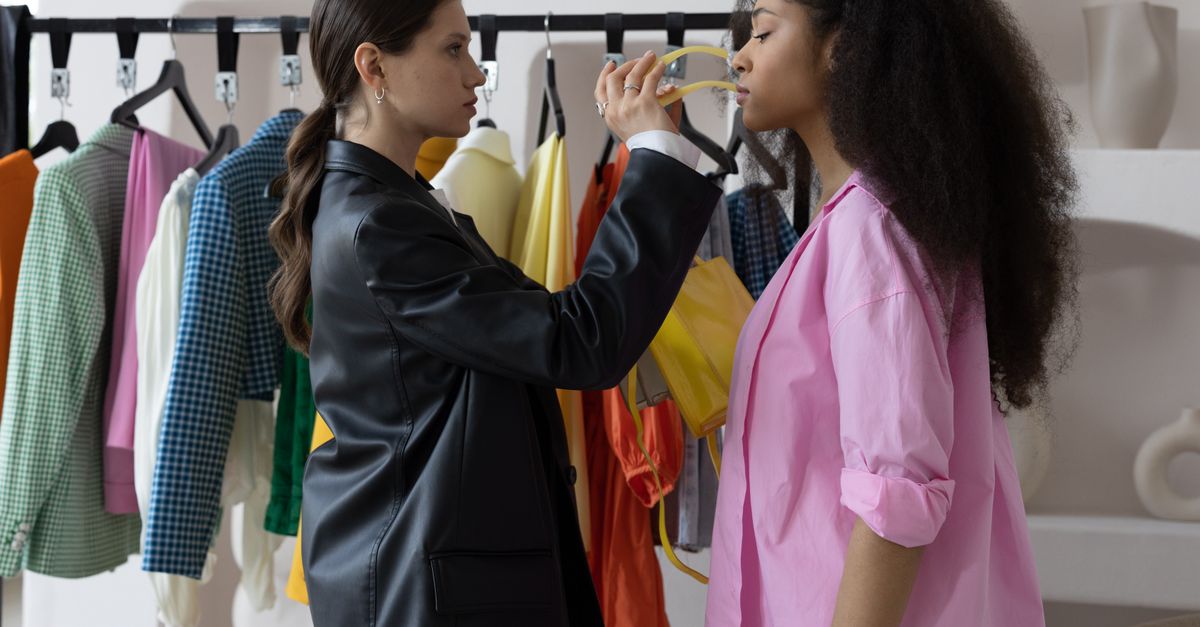
How the Next Wave Is Redefining Modern Fashion Style
A New Definition of Style
Fashion is entering an era where creativity, technology, and community meet in unexpectedly practical ways. The result is a style conversation less concerned with rigid categories and more interested in adaptable wardrobes, shared references, and confident self-expression. This shift is reshaping how people design, buy, wear, and discuss clothing in everyday life.
Advertisement
Beyond Seasonal Trends
Next Wave Synergy Fashion Style begins with a simple idea: clothing becomes more meaningful when different influences work together. Streetwear may borrow tailoring’s precision, vintage garments may meet futuristic fabrics, and sportswear may become suitable for the office without losing its energetic character. Instead of treating these influences as separate camps, designers combine them into clothing that feels fluent, flexible, and distinctly modern. The emphasis is not on chasing every microtrend, but on building visual connections that can survive beyond a single season.
Advertisement
The Power of Collaboration
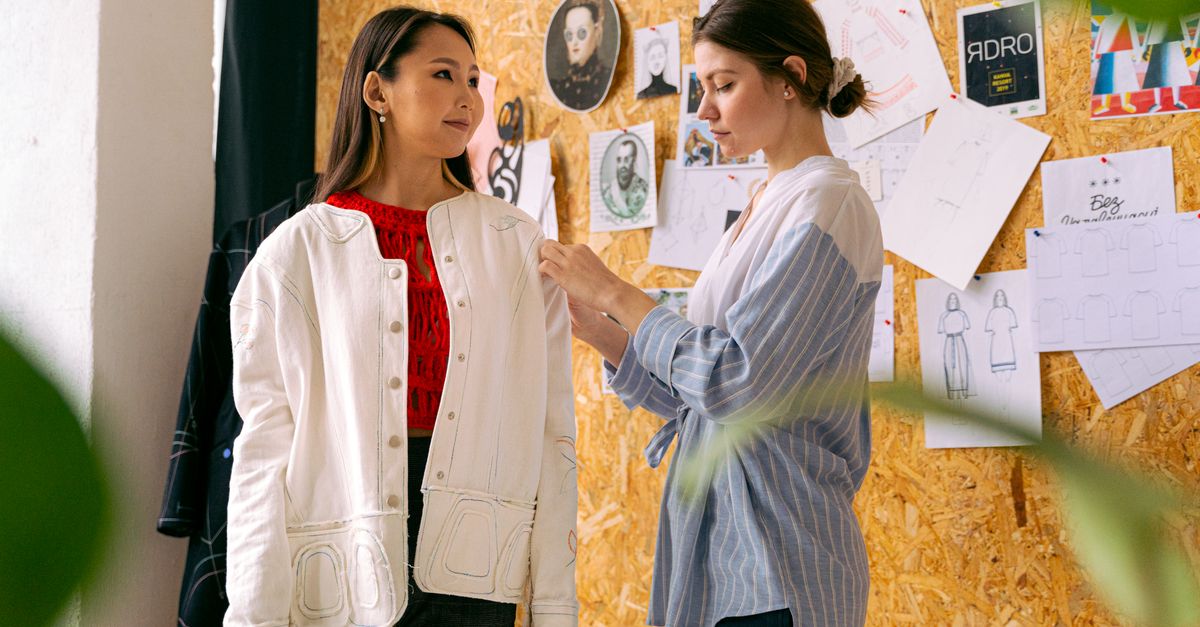
Collaboration is one of the strongest engines behind Next Wave Synergy Fashion Style. Independent labels, artists, musicians, technology companies, and established houses increasingly contribute different skills to one collection. A designer might bring silhouette and craftsmanship, while an artist contributes graphic language and a materials specialist introduces recycled textiles. These partnerships create garments with more than one point of view. They also make fashion feel less like a distant industry and more like a cultural conversation in which unexpected voices can influence what appears on the rack.
Advertisement
Clothing That Does More
Practicality sits at the heart of Next Wave Synergy Fashion Style. Consumers want pieces that can move between work, travel, social events, and quiet weekends, rather than clothing reserved for one carefully photographed occasion. Convertible jackets, adjustable hems, reversible layers, and modular accessories answer that demand with useful ingenuity. Comfort matters, too, but comfort no longer has to mean surrendering personality. Soft structures, breathable materials, and generous proportions can coexist with strong color, distinctive texture, and memorable detailing.
Advertisement
Technology as a Creative Partner
Digital tools are expanding Next Wave Synergy Fashion Style without replacing human judgment. Three-dimensional design software allows creators to test shapes before producing physical samples, reducing wasted materials and shortening development cycles. Artificial intelligence can help identify patterns in customer preferences, while virtual fitting systems may improve sizing and reduce unnecessary returns. Yet technology works best as a partner rather than an all-knowing stylist. Taste still depends on context, emotion, cultural awareness, and the occasional brilliant decision that looks slightly strange on paper.
Advertisement
A More Responsible Wardrobe
Responsibility gives Next Wave Synergy Fashion Style its necessary backbone. The most interesting designs are increasingly judged not only by appearance, but also by how they are made, used, repaired, and eventually retired. Recycled fibers, lower-impact dyes, traceable supply chains, and made-to-order production can reduce pressure on resources. Longevity is equally important: a well-designed garment that remains useful for years may be more sustainable than a supposedly greener item that quickly loses its appeal. The goal is progress without turning every closet into a moral examination.
Advertisement
Identity Without Strict Categories
Next Wave Synergy Fashion Style also reflects a broader understanding of identity. Gender-neutral cuts, expanded sizing, adaptive features, and culturally varied references allow more people to see themselves in contemporary design. This does not mean every garment must suit everyone; individuality still thrives on preference and selection. It means the industry is gradually questioning old assumptions about who may wear a color, shape, fabric, or styling detail. Fashion becomes more welcoming when its vocabulary expands instead of forcing people to speak with only a few approved words.
Advertisement
The Role of Community
Community turns Next Wave Synergy Fashion Style from a design theory into a lived experience. Online platforms let people remix outfits, exchange styling advice, discover small makers, and challenge traditional ideas about taste. Local markets and clothing swaps provide a physical counterpart, proving that style does not require endless purchasing. In both spaces, influence moves in several directions: brands observe customers, customers reinterpret brands, and emerging creators build audiences without waiting for institutional permission. The smartest labels listen carefully, because the public is no longer merely an audience; it is part of the creative process.
Advertisement
What the Future May Look Like
The future of this movement will likely be less about a single recognizable look and more about a shared method of thinking. Designers will combine disciplines, consumers will expect greater versatility, and digital experiences will sit alongside physical craftsmanship. The strongest collections may feel polished yet personal, technologically informed yet emotionally warm. They will offer room for experimentation while respecting budgets, bodies, communities, and the planet. That balance is difficult, but difficulty has never stopped fashion from making an entrance in excellent shoes.
Advertisement
Conclusion
Next Wave Synergy Fashion Style brings together collaboration, versatility, technology, responsibility, and broader representation. It favors clothing that works in real lives while still leaving space for surprise and self-expression. As communities gain more influence, the future of fashion will depend less on rigid rules and more on thoughtful connections between people, ideas, and materials.
Advertisement