How Personal Style Turns Ordinary Days Into Stories
A Daily Language Without Words
Personal clothing choices do more than cover the body: they signal mood, culture, confidence, and changing priorities. From a favorite jacket to carefully chosen colors, getting dressed becomes a small daily act of communication. This article explores how thoughtful style can make ordinary routines feel more intentional, expressive, and distinctly your own.
Advertisement
Clothing as Personal Vocabulary
Fashion Style Everyday Expression begins with the simple idea that clothes communicate before conversation does. A neat shirt may suggest preparedness, while worn denim can convey comfort, practicality, or a fondness for vintage character. These signals are not fixed rules; their meaning changes with context, culture, and the person wearing them. The same red coat might look bold on one individual and nostalgic on another. That flexibility is part of the fun. Personal style works less like a strict dictionary and more like a living vocabulary, allowing people to combine familiar pieces in ways that reflect their experiences. Even a uniform can become expressive through fit, shoes, accessories, or the way it is worn.
Advertisement
Finding What Feels Authentically Yours
Fashion Style Everyday Expression becomes more convincing when it grows from genuine preference rather than pressure to imitate every passing trend. Trends can provide useful inspiration, but copying a complete look may leave someone feeling like a guest in their own wardrobe. A better approach is to notice recurring choices: perhaps you prefer clean lines, bright patterns, natural fabrics, dramatic silhouettes, or a quietly monochromatic palette. These repeated preferences reveal a personal thread. Building around that thread makes dressing easier because each new purchase has a clear relationship with what already exists. Authenticity does not require eccentricity; it simply means that the final outfit feels comfortable, believable, and connected to the wearer.
Advertisement
The Quiet Power of Color
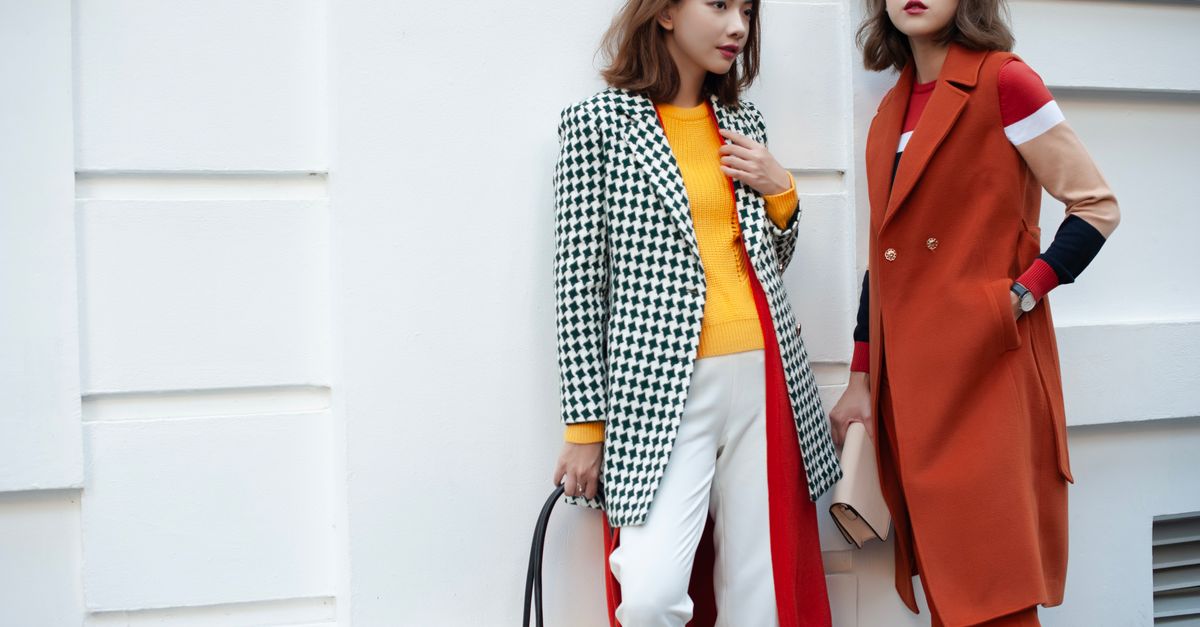
Fashion Style Everyday Expression often speaks most clearly through color. Neutrals can create a calm foundation, while saturated shades bring energy and visual focus. Soft colors may feel gentle or understated, and deep tones can add seriousness without becoming gloomy. There is no universal emotional formula, but color does influence how an outfit is perceived and how its wearer experiences the day. A useful wardrobe might include dependable base colors alongside a few shades that spark delight. Accessories offer an easy testing ground: a green scarf, orange socks, or cobalt bag can introduce personality without requiring a complete reinvention. In other words, color lets a person adjust the volume of an outfit.
Advertisement
Texture, Shape, and Movement
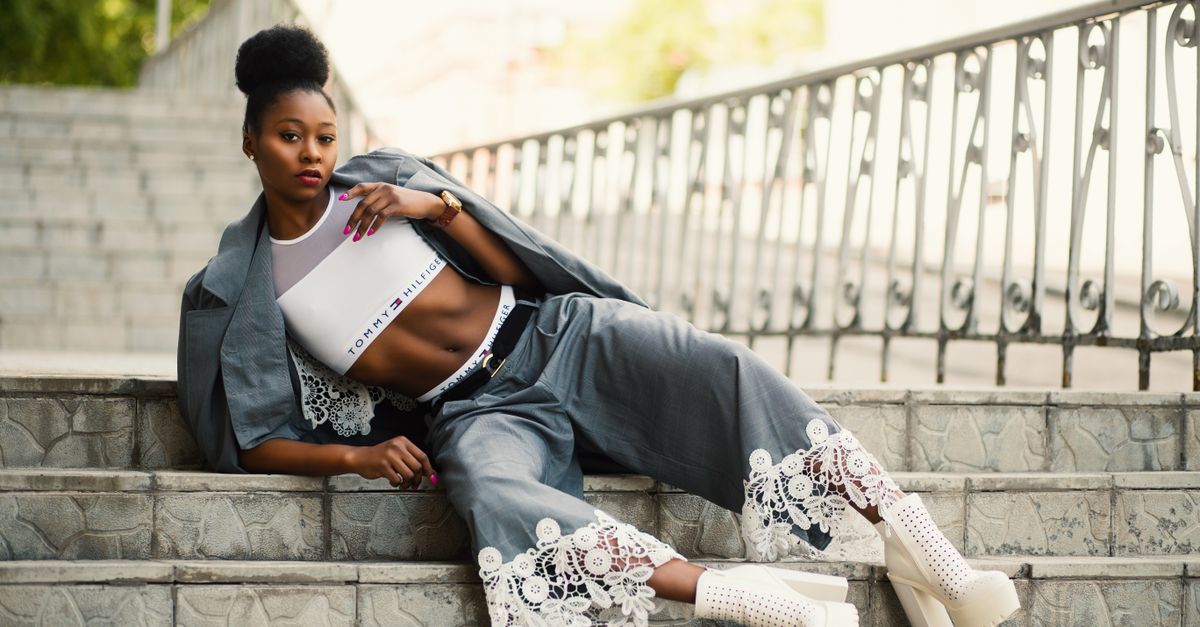
Fashion Style Everyday Expression is not limited to patterns or labels; texture and shape matter just as much. Linen can suggest ease, leather may add structure, and knitwear brings softness and familiarity. Silhouette affects movement and presence too. Tailored clothing creates clear lines, while relaxed garments communicate freedom and informality. Mixing these qualities often produces a more interesting result than matching everything perfectly. A crisp cotton shirt with loose trousers, or a flowing skirt with sturdy boots, creates contrast that gives an outfit rhythm. Good styling is therefore partly visual and partly physical: the clothes should look appealing, but they should also move naturally through real life.
Advertisement
Style for Real Schedules
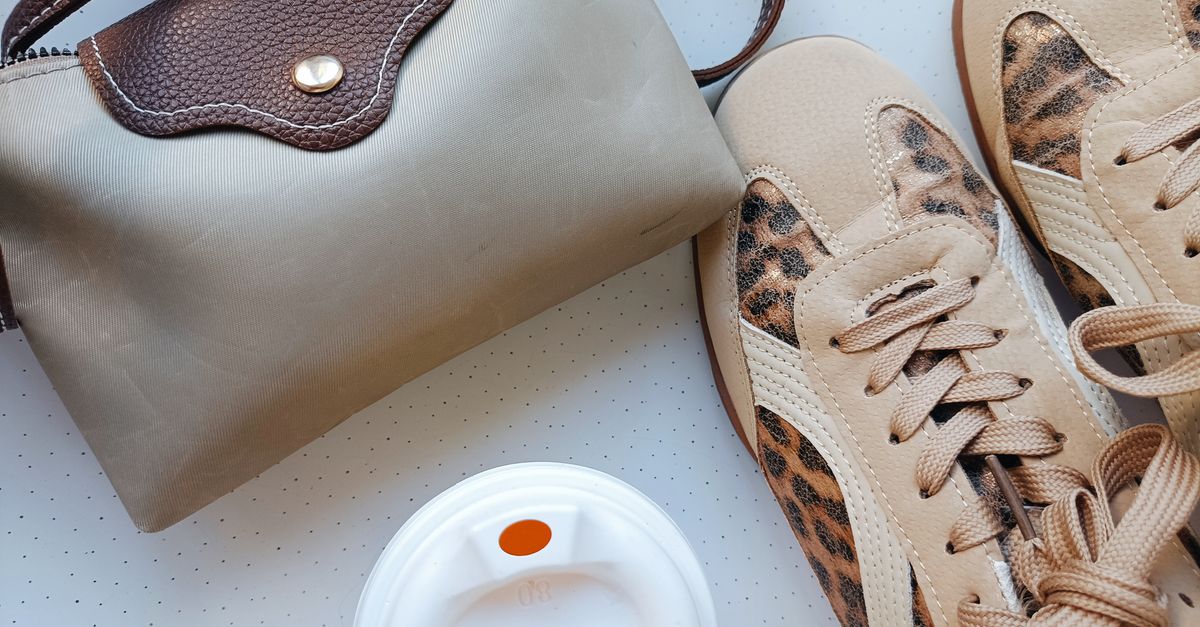
Fashion Style Everyday Expression works best when it respects the practical demands of an actual day. An outfit may need to survive a crowded commute, changing weather, a long meeting, or an unexpected coffee spill—the unofficial mascot of busy mornings. Comfort, durability, and maintenance are not enemies of creativity; they make creativity sustainable. Thoughtful dressing can involve layering, selecting washable fabrics, keeping versatile shoes nearby, or choosing garments that serve more than one setting. The aim is not to create a museum exhibit that happens to be wearable. It is to build combinations that support the wearer’s activities while still offering a sense of character and choice.
Advertisement
Shopping With Intention
Fashion Style Everyday Expression also benefits from a more deliberate relationship with shopping. Before buying something, it helps to ask whether the item works with existing pieces, suits the climate, fits the wearer’s routine, and genuinely earns attention. This pause can reduce impulse purchases and make a wardrobe feel more coherent. Quality does not always mean expensive; it may mean a useful cut, reliable construction, easy care, or a design that remains appealing after several seasons. Secondhand shops, clothing swaps, repairs, and alterations can expand creative possibilities while extending the life of garments. A carefully chosen replacement button or shortened hem may accomplish more than another hurried purchase.
Advertisement
Confidence Without Performance
Fashion Style Everyday Expression should invite confidence, not demand constant performance. People often worry that they need a perfect body, an impressive budget, or expert knowledge to dress well. In reality, confidence usually grows from familiarity: knowing which fabrics feel good, which proportions work, and which details make an outfit feel complete. It also grows from accepting that taste changes. A style experiment may look brilliant, mildly odd, or like a conversation with a curtain, and all three outcomes provide useful information. The goal is not universal approval. It is the freedom to make considered choices, revise them when necessary, and remain at ease in one’s own visual language.
Advertisement
Making the Ordinary Feel Deliberate
Fashion Style Everyday Expression turns dressing into a modest but meaningful form of self-authorship. It connects personal taste with comfort, context, color, texture, and practical decision-making. The most memorable wardrobes are rarely built from endless novelty; they are shaped by attention, repetition, and a willingness to let clothing reflect real life. When people choose garments that feel useful and true to them, everyday presentation becomes less about impressing strangers and more about inhabiting the day with intention. In that sense, style is not a costume reserved for special occasions. It is an accessible way to show up, communicate, and make ordinary moments feel unmistakably personal.
Advertisement