The Art of Dressing Well for Every Ordinary Day Life
Introduction
Clothing is more than fabric arranged around the body; it is a daily introduction, mood marker, and quiet conversation starter. Fashion Style Daily Self Expression turns ordinary outfits into small acts of identity, helping people balance comfort, confidence, practicality, and creativity without treating the wardrobe like a museum exhibit.
Advertisement
Style as a Personal Language
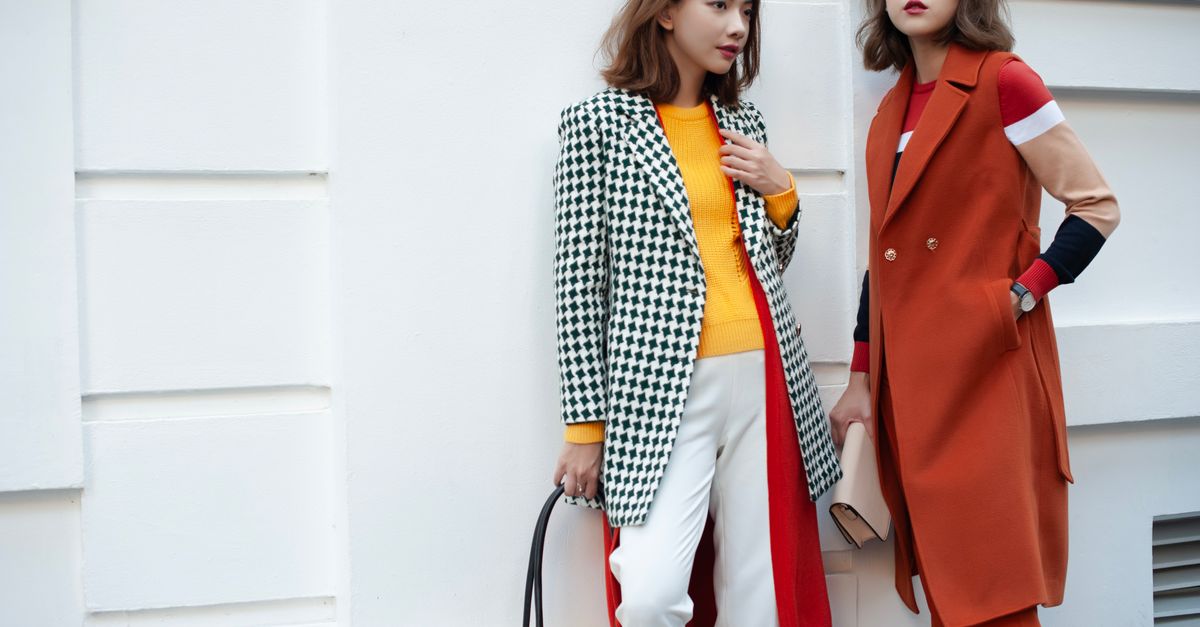
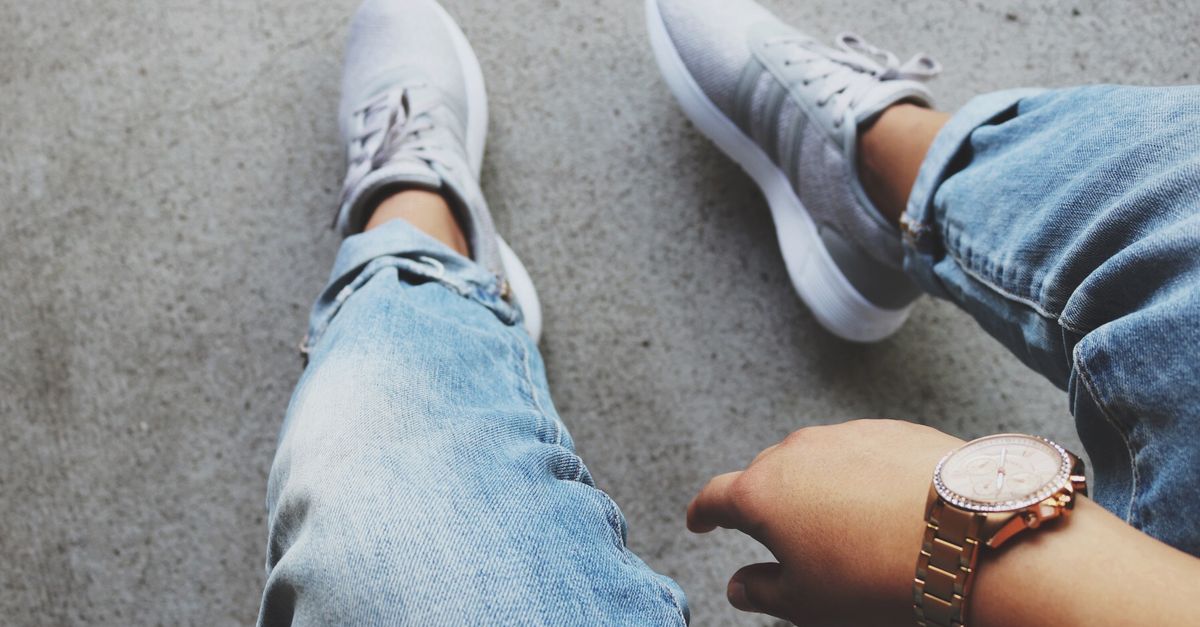
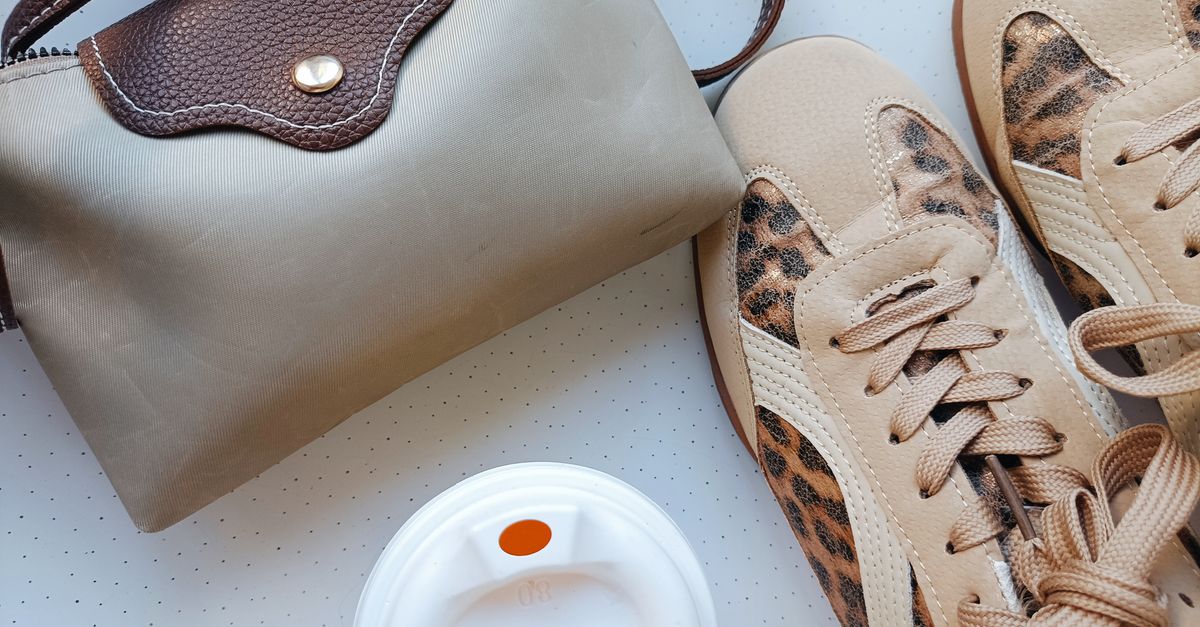
Fashion Style Daily Self Expression begins with the simple idea that clothes communicate, even when we say nothing. A tailored jacket may suggest precision, while worn denim can signal ease and familiarity. Neither message is automatically better. The point is to understand the signals being sent and decide whether they reflect the person wearing them. Style becomes more satisfying when it is intentional rather than dictated by every passing trend. Think of an outfit as a sentence: color provides emphasis, texture adds personality, and shoes often function as the punctuation mark. Occasionally, that punctuation is a bright sneaker, and that is perfectly grammatical.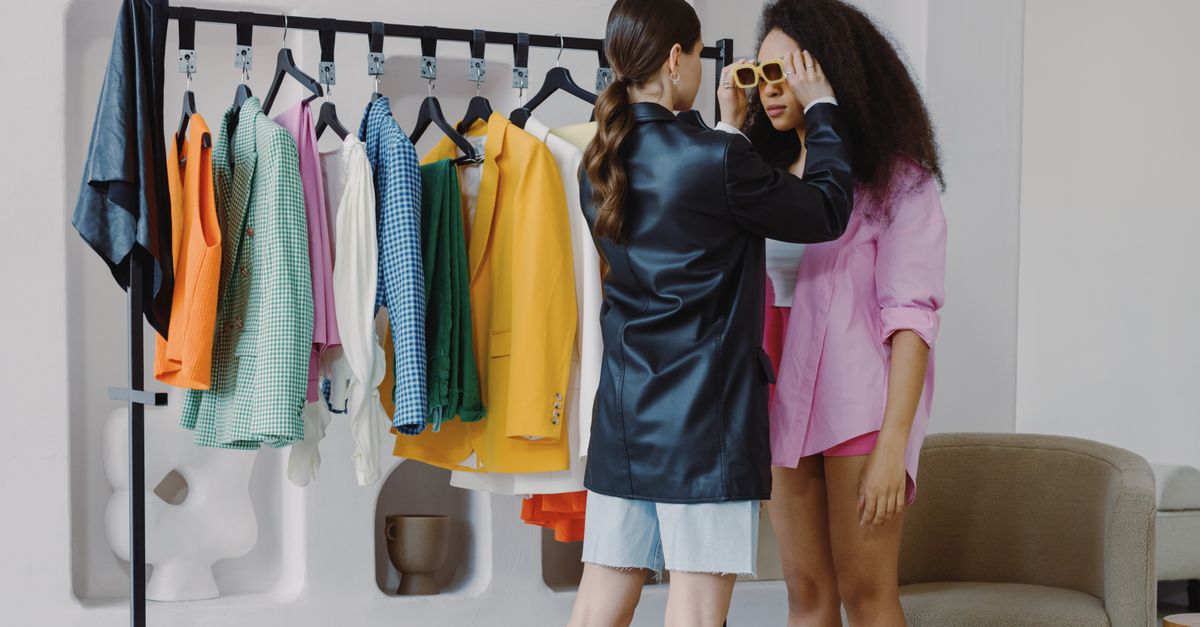
Advertisement
Building a Useful Wardrobe
A practical wardrobe supports Fashion Style Daily Self Expression by providing dependable foundations. Start with pieces that earn their place through repeated use: well-fitting trousers, versatile shirts, comfortable knitwear, a reliable coat, and shoes suited to the day’s demands. These staples do not have to be dull. A classic silhouette can gain character through an unusual fabric, distinctive buttons, or an unexpected color. The best wardrobe is not necessarily large; it is responsive. Each item should work with several others, reducing the daily drama of staring into a closet as though it has personally betrayed you. Versatility saves time, money, and a surprising amount of morning patience.
Advertisement
The Confidence of Good Fit
Fit is one of the quiet engines behind Fashion Style Daily Self Expression. Expensive clothing can look unconvincing when it pulls, bunches, or overwhelms the wearer, while affordable garments can appear polished when their proportions are right. Pay attention to shoulder seams, sleeve length, trouser breaks, and where a waistband sits. Comfort matters, too: an outfit that requires constant adjustment is not expressing confidence so much as filing a complaint. Alterations can transform ordinary pieces, and learning a few basic fit principles makes shopping more efficient. The goal is not to follow a rigid body ideal but to create harmony between the garment and the person.
Advertisement
Color, Texture, and Mood
Color gives Fashion Style Daily Self Expression its emotional vocabulary. Neutrals can create calm and coordination, saturated shades can add energy, and soft pastels may suggest lightness without becoming sugary. Personal coloring can be a useful guide, but it should never become a strict rulebook. Texture adds another layer: wool feels grounded, silk appears fluid, denim brings informality, and leather introduces structure. Combining different surfaces can make a simple outfit feel considered. Someone wearing a monochromatic look, for example, can create depth by mixing matte cotton with glossy accessories. The result is subtle, but subtle does not mean invisible; it means the outfit knows how to use an indoor voice.
Advertisement
Dressing for Real Life
Fashion Style Daily Self Expression works best when it respects actual routines. Clothes for commuting, studying, parenting, office work, social events, or creative projects need to accommodate movement and weather as well as appearance. A beautiful outfit that cannot survive a train ride or a sudden shower is more concept than clothing. Consider the day’s schedule before getting dressed, then add one element that feels distinctly personal. It might be a patterned scarf, sculptural jewelry, colorful socks, or a favorite vintage bag. This approach keeps style connected to life rather than turning daily dressing into a performance designed for an imaginary photographer hiding behind a plant.
Advertisement
Using Trends Without Losing Yourself
Trends can enrich Fashion Style Daily Self Expression when treated as ingredients rather than instructions. A current silhouette, color, or accessory may refresh familiar clothes, but buying every fashionable item can create clutter and identity fatigue. Before adopting a trend, ask whether it suits your lifestyle, works with existing pieces, and feels appealing beyond the influence of a screen. Borrowing selectively is often more stylish than copying completely. A trend should join your wardrobe as a guest, not move in, rearrange the furniture, and demand its own parking space. Personal style develops through editing: keeping what resonates, adapting what helps, and letting the rest pass.
Advertisement
Sustainable and Thoughtful Choices
Fashion Style Daily Self Expression also benefits from a slower, more thoughtful approach to consumption. Buying fewer, better-used items can reduce waste and make each garment more meaningful. Care extends a piece’s life: washing appropriately, repairing small damage, storing knitwear carefully, and polishing shoes can make a substantial difference. Secondhand shopping offers character, history, and the thrill of discovering something that does not appear in every shop window. Renting or swapping can be useful for occasional wear. Sustainability is not a demand for perfection; it is a series of practical decisions that acknowledge clothing has resources, labor, and consequences attached to it.
Advertisement
Expression Beyond Appearance
At its heart, Fashion Style Daily Self Expression is not about earning approval or constructing a flawless image. It is about making choices that support the way a person wants to move through the world. Confidence may come from a dramatic outfit, but it can also come from quiet consistency, a repaired favorite coat, or the relief of wearing something genuinely comfortable. Personal style changes with age, work, culture, body, budget, and mood. That flexibility is a strength, not a failure to maintain a fixed brand. The most convincing style usually belongs to people who appear present in their clothes rather than hidden behind them.
Advertisement
Conclusion
Fashion Style Daily Self Expression turns dressing into a practical form of communication, combining fit, color, texture, comfort, and personal meaning. A useful wardrobe does not need to be enormous or expensive; it needs to support real life and leave room for experimentation. Thoughtful choices, careful maintenance, and selective use of trends make style more sustainable and more individual. Ultimately, the best outfit is one that helps its wearer feel comfortable, capable, and unmistakably themselves.
Advertisement