Embracing Fashion Evolution Future Thinking 2026
Introduction
The world of fashion is on the brink of exciting transformations as we approach 2026. With rapid technological advances and a growing emphasis on sustainability, the fashion industry is poised for substantial shifts. Consumers are becoming more conscientious about the environmental footprint of their wardrobes. Meanwhile, innovations in materials and design are reshaping the way we think about clothing. The convergence of technology and fashion is set to revolutionize both style and substance. But what exactly does the future hold for this dynamic industry? In this article, we dive deep into the future of fashion, exploring the trends and concepts that are set to define the industry by 2026.
Advertisement
Sustainability Takes Center Stage
The pressing need for sustainability continues to influence the fashion landscape. By 2026, eco-friendly practices will dominate the industry. Designers are increasingly focusing on the lifecycle of clothing, not just its creation. From sourcing organic, biodegradable materials to implementing recycling initiatives, the path to a sustainable fashion future is being paved. Brands are now opting for more transparent supply chains, holding themselves accountable for environmental impacts. Furthermore, minimalism in design and the longevity of pieces are becoming more appealing to consumers. As the demand for sustainable fashion grows, this commitment to environmental stewardship will lead to innovative practices across the board.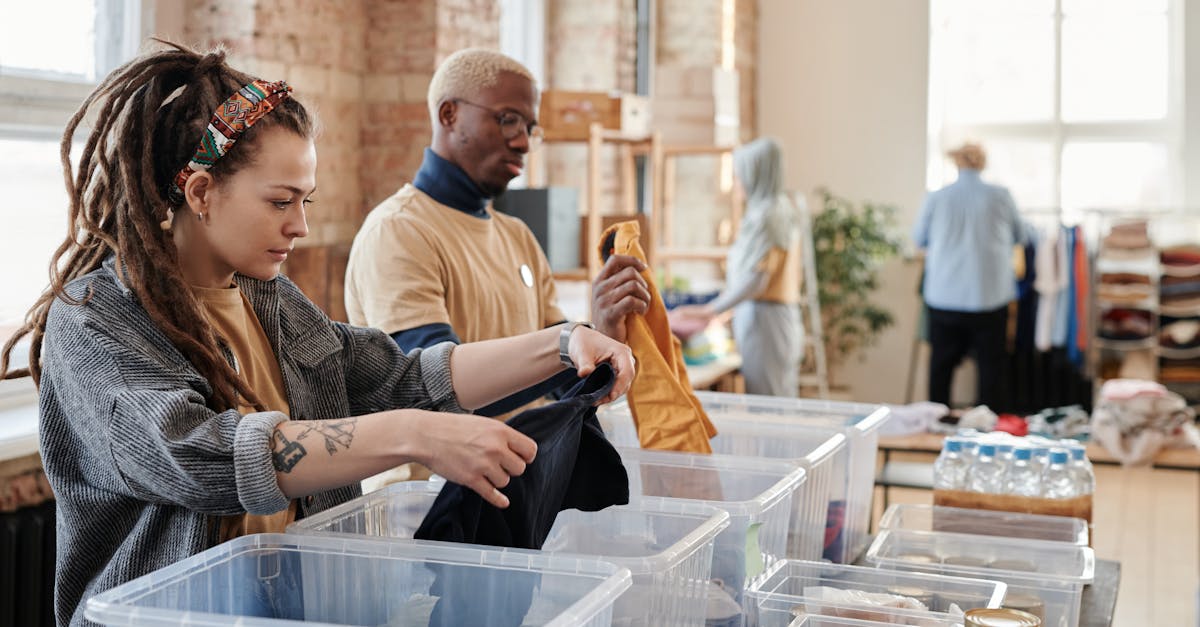
Advertisement
Technological Integration with Fashion
The integration of technology in fashion is redefining how garments are designed, produced, and worn. By 2026, expect to see intelligent garments that change color based on mood or temperature. The use of 3D printing technology is set to reduce waste while enabling designers to create complex patterns and shapes easily. Wearable technology is evolving, enhancing both functionality and style, offering features like health monitoring and interactive displays. Virtual fitting rooms will not only enhance the shopping experience but will also play a role in minimizing returns and waste. The fusion of tech and fashion paves the way for personalized experiences, showcasing limitless creativity.
Advertisement
Enhanced Personalization
Gone are the days of one-size-fits-all. The future of fashion in 2026 promises increased personalization through data-driven design. Leveraging consumer data, brands can tailor garments to fit individual tastes and needs. Mass customization will become an industry standard, with consumers selecting everything from color to fabric via interactive platforms. AI-driven insights will help designers anticipate trends and consumer preferences, seamlessly blending art and science. Not only does this foster customer satisfaction, but it also reduces overproduction and waste, further echoing the industry's sustainability goals. Personalization, therefore, becomes a key growth driver for fashion brands looking to connect deeply with their audience.
Advertisement
Circular Fashion Economy
The traditional linear fashion model is dwindling in favor of a circular economy. This approach emphasizes the reuse, repair, and recycling of textiles, prolonging their lifecycle. By 2026, many fashion brands will have implemented closed-loop models to minimize waste and maximize resource efficiency. Clothing rental services and second-hand markets are gaining traction, making fashion more accessible without the hefty environmental cost. Consumers are encouraged to cherish their garments longer, aligning with the ethos of mindful consumption. The circular economy paradigm offers both financial incentives for businesses and environmental benefits, setting a new benchmark for innovation and responsibility.
Advertisement
Cultural and Social Influences
Culture and society will continue to shape fashion's future, mirroring the diversity of global narratives. By 2026, expect to see an increasing blend of traditional and contemporary influences, representing cultural pride and shared heritage. Designers are collaborating with artisans globally, infusing traditional craftsmanship with modern aesthetics. These partnerships bridge gaps between local and global fashion communities, resulting in rich, diverse collections. Furthermore, the fashion industry will increasingly represent various body types, genders, and orientations, celebrating individuality. This multicultural fusion will make fashion a more inclusive realm, resonating with a multitude of voices and experiences.
Advertisement
Emerging Markets and Consumer Behavior
As emerging markets grow, they play a pivotal role in defining fashion's future. Countries in Africa, Asia, and Latin America are becoming influential fashion players, injecting fresh perspectives into global fashion trends. Consumers in these regions are technologically savvy, environmentally conscious, and culturally diverse. By 2026, fashion brands will increasingly cater to these burgeoning markets, recognizing their potential to drive industry growth. This paradigm shift necessitates culturally relevant marketing and versatile product offerings. Understanding and adapting to local preferences becomes essential for fashion brands to successfully engage these vibrant consumer bases.
Advertisement
Challenges and Opportunities Ahead
The road to fashion's innovative future is not without challenges. Issues like environmental degradation, labor rights, and supply chain transparency persist. The industry's responsibility is to address these concerns authentically while pursuing innovation. However, these challenges present opportunities for brands to differentiate through ethical practices and transparent operations. Embracing technology and sustainability offers potential to reinvent outdated practices, creating resilient business models. Collaboration across the industry will be crucial in fostering positive change and setting new standards for accountability and creativity. Fashion's evolution in response to these challenges promises to be a rewarding journey.
Advertisement
Fashion's Role in Promoting Social Change
Fashion’s influence extends beyond aesthetics; it has the power to instigate social change. By 2026, fashion will increasingly be used as a platform for advocacy, addressing issues such as gender equality, racial diversity, and climate action. Collaborations between brands, activists, and non-profits will yield impactful campaigns. Moreover, cottage industries and support for local artisans create opportunities and preserve heritage-sharing stories through design. Participation in ethical fashion practices becomes a form of activism, linking consumer choice to impactful outcomes. The industry's capability to spark dialogue and drive positive social change will continue to expand.
Advertisement
Conclusion
The fashion industry is poised for transformative changes as we approach 2026. Sustainability sits at the core of future initiatives, with technology and personalization enhancing consumer experiences. The emergence of new markets and the influence of cultural narratives promise a diverse realm of creativity. Opportunities exist even amidst challenges, encouraging brands to innovate responsibly. As the fashion industry embraces evolution, its role in fostering societal change and reflective expressions of individuality will secure its relevance and resonance for years to come.
Advertisement