Mastering the Art of Symphonic Style Strategies
Introduction
Unlock the secrets of symphonic style strategies, the heart and soul of orchestral composition. These timeless techniques, honed over centuries, can transform a simple musical idea into a complex tapestry of sound. Delve into these strategies and learn how to weave notes like a maestro.
Advertisement
Symphonic Foundations
Understanding symphonic style strategies involves diving into the foundations of orchestral music. Classical composers, from Mozart to Beethoven, built their masterpieces on the principles of balance, thematic development, and contrast. Central to this is the symphonic form—exposition, development, and recapitulation—which lays the groundwork for expansive musical narratives.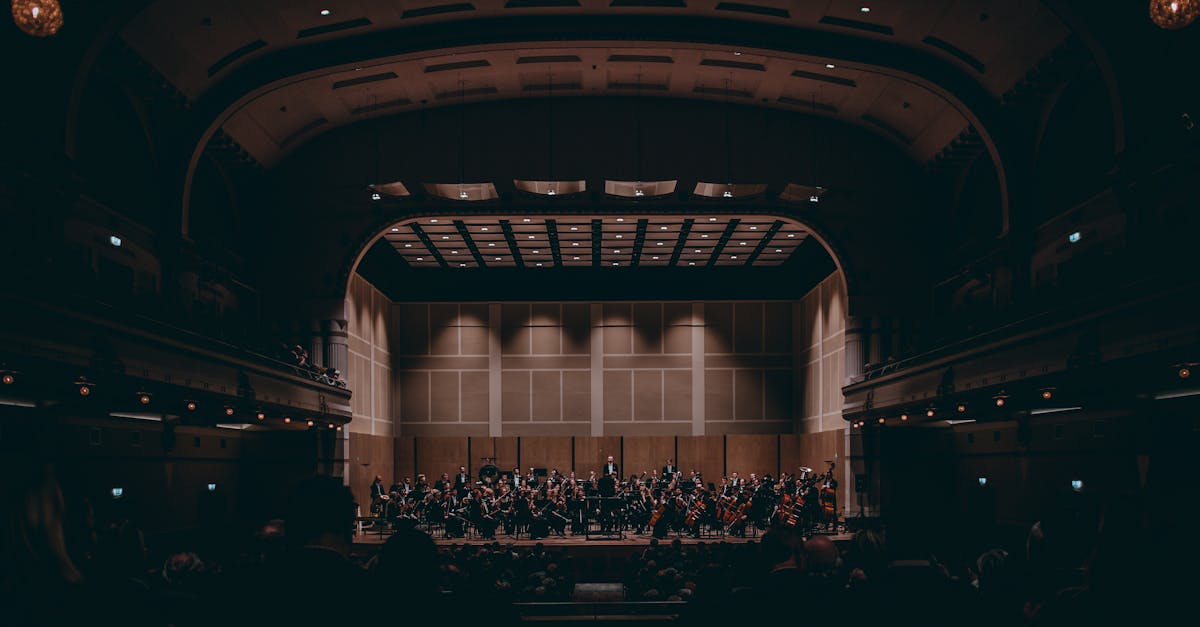
Advertisement
Crafting Themes with Purpose
At the core of any symphony lies its themes—distinct musical ideas that define the character of the composition. These themes are crafted with purpose, often embodying motifs that recur and evolve. Composers like Tchaikovsky and Brahms used melodic lines to conjure vivid imagery, leaving audiences humming tunes long after the orchestra had packed up.
Advertisement
The Power of Counterpoint
Counterpoint is the art of combining independent melodies to create harmony and complexity in music. Employed masterfully by Bach and furthered by later composers, counterpoint allows for rich textural layers that challenge and please the ear. Dual melodies intertwine, each maintaining its individuality while contributing to the symphonic whole.
Advertisement
Orchestration Mastery
Orchestration in symphonic style strategies is akin to a painter's mastery of color. Composers assign musical roles to instruments, considering timbre, range, and tonal color. The interplay of strings, woodwinds, brass, and percussion results in a vibrant palette that both contrasts and complements within the symphonic framework.
Advertisement
Dynamics and Expression
Dynamics transform static notes into living, breathing art. In symphonic style strategies, dynamics narrate emotional arcs—from the tranquil pianissimo whispers to the commanding fortissimo roars. Phrases ebb and flow with expressive intensity, mirroring life’s intricate dance of tension and release.
Advertisement
Navigating Symphony Architecture
Understanding the architecture of a symphony requires recognizing its structural framework. Beyond the exposition, development, and recapitulation, symphonic works often include additional movements—adagio, minuet, or scherzo—that add depth. Each movement serves its purpose, offering respite, reflection, or resolution, like chapters of a gripping novel.
Advertisement
Expanding the Symphony's Reach
Symphonic style strategies continue to influence contemporary composers, pushing boundaries and blending genres. Film scores draw heavily from symphonic traditions, with composers crafting aural landscapes that complement visual storytelling. This adaptability secures the symphony's enduring legacy in modern music.
Advertisement
Conclusion
Symphonic style strategies are quintessential for crafting music that resonates through generations. By harmonizing foundational techniques with personal innovation, composers create symphonies that captivate and enthrall. From crafting themes to mastering orchestration, and employing counterpoint with finesse, symphonic compositions remain a powerful force in the orchestral domain, echoing with timeless appeal.
Advertisement