Symphonic Style Harmonics: Discovering Their Essence
Introduction to a Harmonious Journey
Symphonic Style Harmonics sit at the heart of classical music's rich tapestry, marrying mathematical precision with artistic passion. These harmonics create a universe of sound that captivates both seasoned maestros and curious novices alike. Journey with us as we explore their origins, characteristics, and a slice of their magical world.
Advertisement
The Foundation of Symphonic Sound
Symphonic Style Harmonics form the backbone of orchestral compositions, deeply rooted in musical theory and acoustics. Essentially, harmonics are overtones produced naturally when a note is played, creating a beautifully complex texture. Think of harmonics as the supporting cast in a play, ensuring the lead roles find their moment in the spotlight.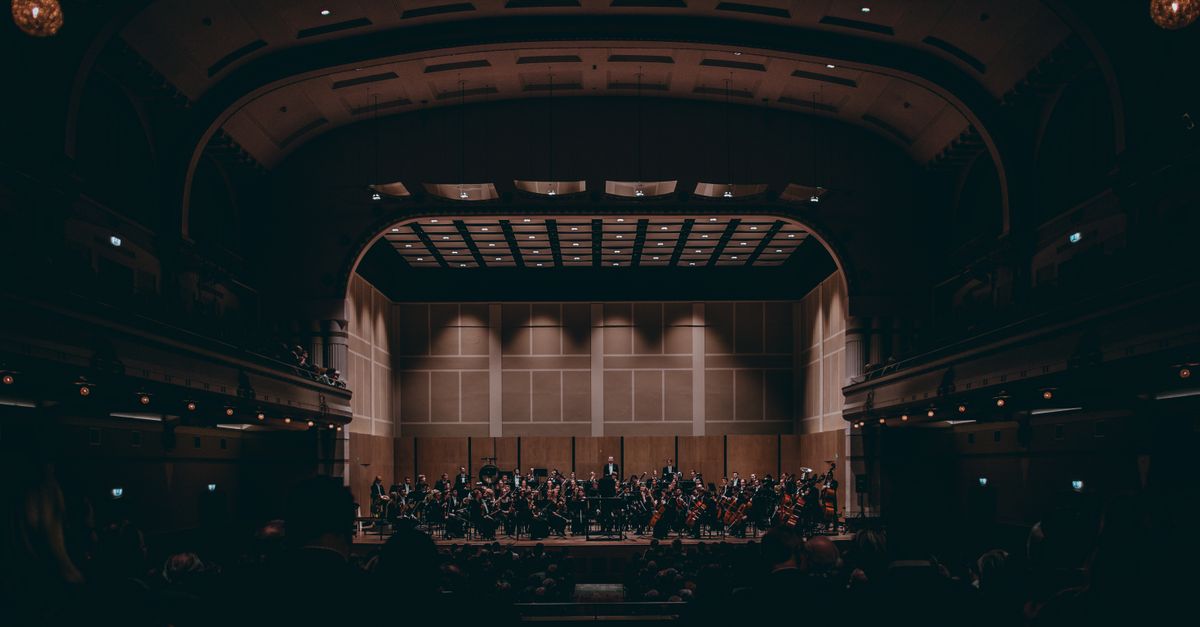
Advertisement
Tracing the Origins
Diving into music history reveals that symphonic style harmonics likely traced their roots back to the Baroque and Classical periods. Composers like Bach and Haydn began experimenting with harmonic structures that revolutionized their compositions. Imagine a time when artists began whispering secrets between notes, creating layers that whispered back stories through every chord.
Advertisement
Unlocking the Chromatic Palette
The beauty of symphonic style harmonics is in their color palette—so vast it makes rainbows envious. Through the clever use of harmonics, composers paint symphonic landscapes that resonate universally. From mournful adagios to jubilant allegros, harmonics breathe life into these pieces, creating an emotionally charged experience for audiences.
Advertisement
Crafting the Perfect Composition
Incorporating symphonic style harmonics into a composition is akin to assembling a symphony of voices all asking to be heard. Composers meticulously layer harmonics, balancing the delicate and bold elements, creating a cohesive and rich tapestry. Next time you listen, picture a master painter carefully placing each brushstroke to create a vibrant, sound-filled canvas.
Advertisement
The Role of Musical Instruments
Every instrument in the orchestra plays a part in generating symphonic style harmonics. Strings glide gracefully over harmonies, brass blares boldly through bold crescendos, and woodwinds weave intricate threads between. Together, these instruments merge, each contributing their characteristics, turning a symphony into a dynamic dialogue among voices.
Advertisement
The Impact Beyond Music
Symphonic style harmonics reach beyond the realm of pure music, extending their fingers into our emotional and psychological spheres. They transport, soothe, excite, and even inspire. It's no wonder symphonic harmonies often accompany film scores, stirring emotions and adding depth to narratives, reminding us of music's power to evoke change.
Advertisement
Conclusion: Embracing a Harmonic Legacy
Symphonic style harmonics not only define classical music but also continue shaping modern compositions. As echoes of the past ripple into the present, these harmonics offer a unique musical experience, resonating across generations. Whether a music savant or a casual listener, the harmonic dance invites us all to engage with the symphony of our souls, living out each day's rhythms fantastically harmonized.
Advertisement