Tracing the Symphonic Style Evolution
Opening Crescendo: Birth of Symphony
The symphonic style evolution began in the late 18th century amidst the Classical period, a time when aesthetics prioritized balance and clarity. The symphony burgeoned as composers like Haydn and Mozart began refining orchestral forms, imbuing them with vibrant expression and structured movements. This era set the foundation for future symphonic narrative.
Advertisement
Unfolding Harmony in the Romantic Era
As the 19th century dawned, symphonic compositions expanded in breadth and depth. The Romantic era heralded an emotional surge, with composers such as Beethoven and Tchaikovsky pushing boundary lines. Tones became more dramatic, and the orchestra's instrumentation stretched, introducing an unprecedented range of emotions and personal expression into the music.
Advertisement
Dissonance and Innovation: The Modern Symphony
Fast forward to the 20th century, and an experimental wind began reshaping the symphonic style and structure. Composers like Stravinsky and Schoenberg introduced dissonance and modernism, reshuffling conventional harmonies for narratives that reflected contemporaneous turbulence and innovation. The symphony no longer adhered strictly to pre-established rules, thriving instead on audacity and curiosity.
Advertisement
Global Influences Enriching Symphonic Style
With globalization's rise, symphonies absorbed a tapestry of worldwide influences. Asian, African, and folk elements began subtly or overtly weaving into traditional Western orchestral settings. These cultural fusions not only enriched the symphony's tonal palette but also expanded its thematic canvas, rendering the symphonic style both diverse and dynamic.
Advertisement
Technological Advances: A New Frontier
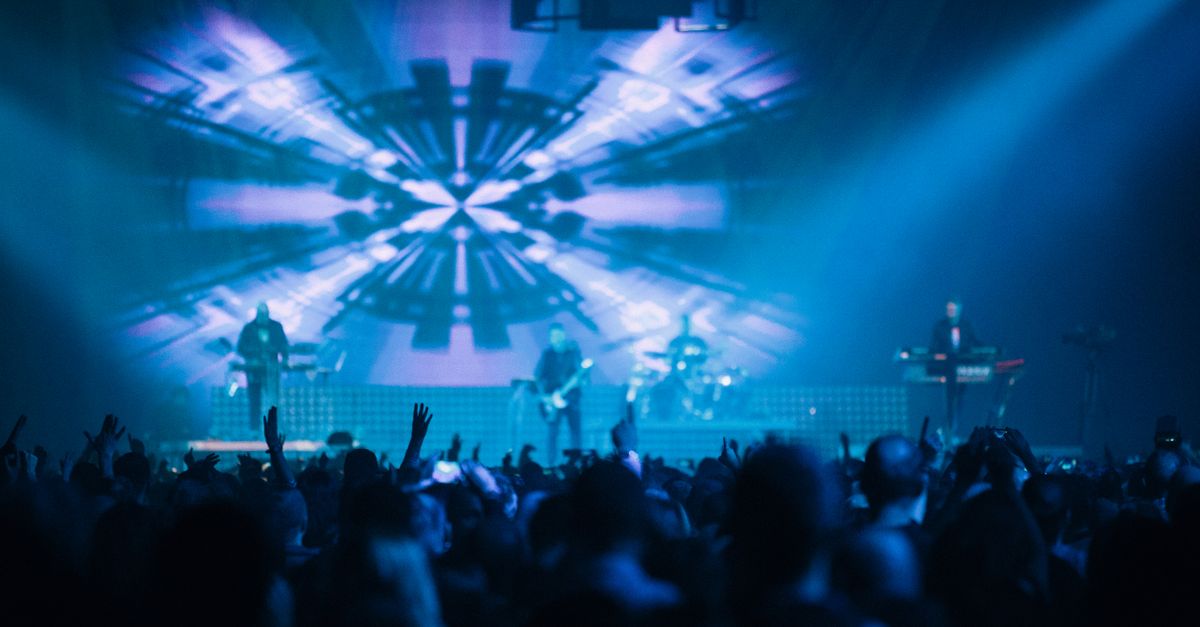
Today, technology plays an essential role in the symphonic style evolution. Electronic instruments, digital soundscapes, and multimedia presentations allow composers to craft groundbreaking works. These advances bolster creative freedom, enabling orchestra halls to house everything from traditional pieces to creations saturated with electronic embellishments.
Advertisement
Evolving Audience Expectations
The audience, once comprising a select few, now represents a broad spectrum thanks to technological distribution such as streaming services. Listeners approach symphonic music with diverse anticipations, from demanding classical fidelity to craving contemporary reinventions. This variety in listener expectations keeps composers on their toes, continually evolving the symphonic repertoire.
Advertisement
Lasting Impact of the Symphonic Evolution
Throughout its evolution, the symphonic style has left an indelible mark on cultural landscapes, inspiring innovations across artistic media. Its adaptability reflects human creativity's boundless nature, thriving as an eternal conversation across eras and regions. Each metamorphosis encourages audiences to appreciate both the foundations and future of orchestral work.
Advertisement
In Closing: An Ever-Changing Symphony
From its structured birth in the Classical era to today's embellished and exploratory motifs, the symphonic style evolution mirrors humanity's perpetual journey of discovery and self-expression. As we've traversed its timeline, juxtaposing tradition with avant-garde developments, it's clear the symphonic narrative continues to be as vibrant and evolving as ever. This symphony, much like life itself, remains a testament to timeless unity amidst change.
Advertisement