The Language of Symphonic Style Unveiled
Understanding Symphonic Style
Symphonic style is more than just an orchestral arrangement; it's an elaborate conversation between melodies, harmonies, and rhythms. Picture a musical debate in which every instrument has a voice, sharing opinions and throwing transformative ideas into the sonic air. The components of symphonic style, including tempo variations and thematic development, create a narrative that enchants the listener.
Advertisement
The Birth of a Symphony
Originating during the Classical period in the 18th century, symphonic style took shape from the experiments of Haydn and Mozart. Imagining these composers as musical architects, they structured works that became monumental edifices of sound. Their influence still reverberates in symphonies today, providing a firm foundation for orchestrating enduring auditory marvels.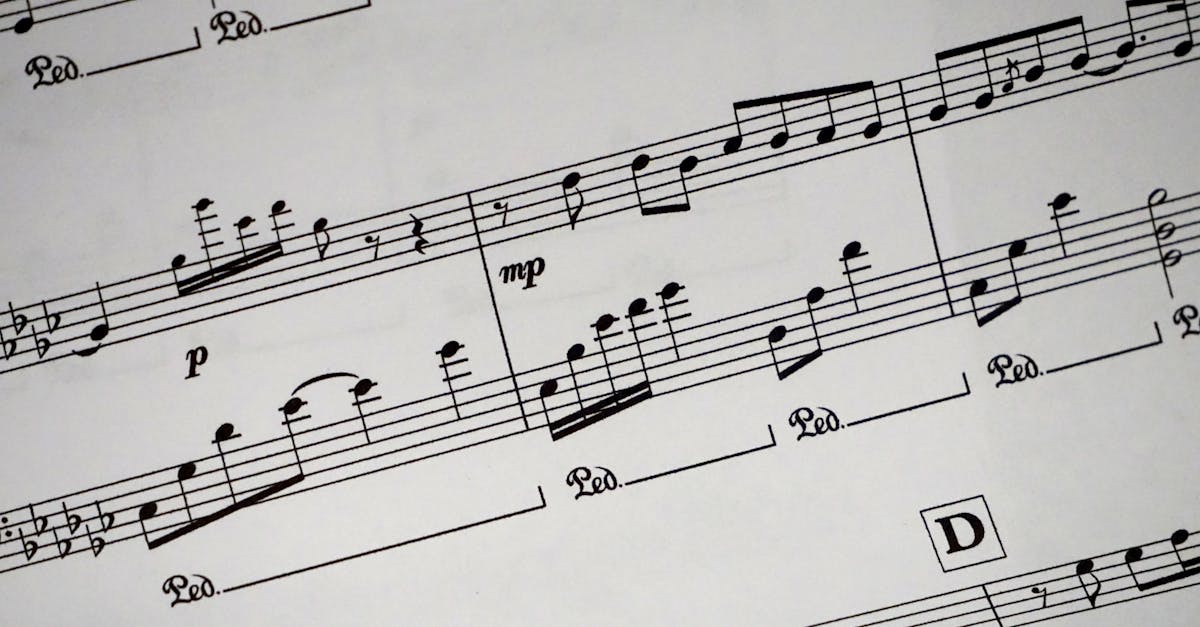
Advertisement
Key Elements in Symphonic Construction
To appreciate symphonic style, one must grasp the concept of 'movements'. These are the building blocks of a symphony, akin to the chapters of a compelling novel. Typically four, each movement has a distinct theme yet contributes to the overall story. Picture a musical patchwork quilt; each piece is unique but part of a cohesive whole.
Advertisement
Symphonic Style's Evolution Over Time
As the symphonic style matured, composers like Beethoven began pushing its boundaries, injecting intense emotion and expanding both form and scope. Fast forward to the Romantic period, and you'll note the characteristic elements evolving further. Think of it as the symphony entering its teenage years: rebellious, experimental, and craving expression.
Advertisement
Modern Interpretations of Symphonic Style
Contemporary symphonic style isn't trapped in a historical time capsule; instead, it embraces the narrative's flexibility and adopts elements from various music genres. Imagine avatars of classical legends jamming with today's innovators. This blending yields a diverse and vibrant landscape, highlighting how symphonic music continues to evolve, resonate, and adapt.
Advertisement
The Influence of Symphonic Style on Culture
Beyond the concert hall, symphonic style imprints itself on various cultural mediums. Its echoes can be heard in film scores, theater productions, and even contemporary video games. By narrating emotions without words, symphonic music becomes the unsung hero of storytelling, providing a backdrop that amplifies the human experience.
Advertisement
The Listening Experience of Symphonic Music
Listening to symphonic style is akin to embarking on a vivid journey through landscapes made of soundscapes. Each instrument portrays a character, intertwining narratives that can transport you to buoyant highs or soulful depths. It triggers introspection, offering listeners a chance to reconnect with their emotions and the world around them.
Advertisement
Conclusion: The Unending Story of Symphonic Style
In dissecting the symphonic style chronicle, we appreciate both the art and the science behind these harmonious narratives. Each symphony is a lens into the era, emotion, and ethos of its creation. From its Classical origins to modern nuances, symphonic music remains a timeless conversation piece, uniting generations through its universal language. Its flexibility and depth firmly establish it as a living art form, continuing to inspire and adapt to each new audience.
Advertisement