The Enchanting World of Symphonic Aesthetics
Introduction: A Prelude to Symphonic Aesthetics
Symphonic aesthetics encapsulate the exquisite beauty of orchestral compositions, where melody, rhythm, and emotion meld perfectly. Through the orchestral symphony, audiences are transported to realms where each note tells a story and each movement breathes life. Understanding symphonic aesthetics enhances one's appreciation for music's transformative power.
Advertisement
The Historical Cadence of Symphonic Aesthetics
Symphonic aesthetics began taking shape in the Baroque era, evolving through the Classical and Romantic periods. Composers like Bach, Mozart, and Beethoven crafted works that demonstrated the dynamic range and emotional depth of orchestras, introducing listeners to new auditory dimensions. These eras established the frameworks and themes adored in today's symphonies.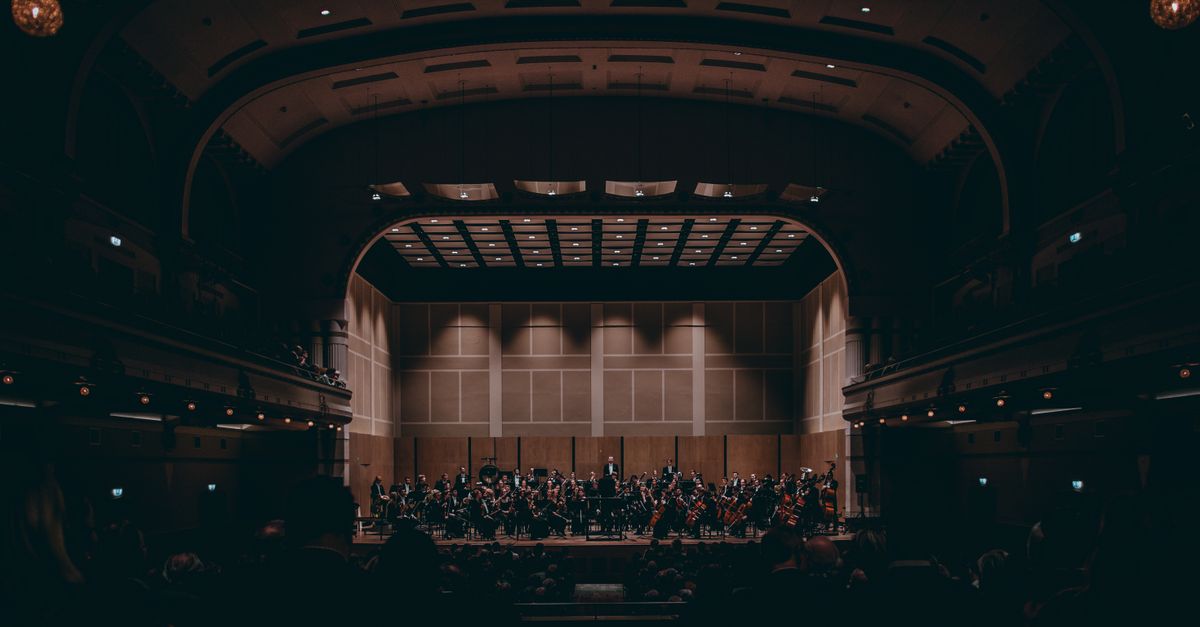
Advertisement
The Orchestra: A Symphonic Family
At the heart of symphonic aesthetics is the orchestra, a harmonious blend of strings, woodwinds, brass, and percussion. Each section plays a crucial role, contributing distinct timbres and textures. Imagine a grand musical family reunion where diverse instruments come together to create a singular, unified sound, each one holding its voice but also serving the greater composition.
Advertisement
Compositional Techniques: Crafting Aesthetic Beauty
Symphonic aesthetics owe much to the techniques composers utilize to elicit emotional responses. Through inventive orchestrations, thematic development, and counterpoint, composers create depth and intrigue. Each technique works like brushstrokes on a canvas: as layers build, a vivid musical landscape emerges, leaving listeners moved and contemplative.
Advertisement
The Role of the Conductor: The Enabling Maestro
Symphonic aesthetics also owe their splendor to the guiding hand of the conductor. Like a choreographer directing dancers, the conductor shapes interpretations, balances the ensemble, and ensures every nuance is captured. Their presence on stage is the invisible thread ensuring the cohesion of the symphonic tapestry.
Advertisement
Impact on Modern Music: From Symphony to Screen
Beyond concert halls, the influence of symphonic aesthetics extends to film scores, stage productions, and digital media. Iconic soundtracks feature symphonic elements, bridging genres and stirring emotions in broader audiences. From the adrenaline-pumping crescendos of action films to the heart-tugging accords of dramas, symphonies continue inspiring and captivating.
Advertisement
The Subtle and the Sublime: Emotional Resonance
The emotional depth of symphonic aesthetics can transform mundane experiences into sublime encounters. Its transformative potential lies in its ability to echo human emotions— love, joy, sorrow—providing a deep release. This emotional capacity is why symphonies remain timeless, bound to the human spirit like Earth's melody to the sky.
Advertisement
Conclusion: The Enduring Symphony
Symphonic aesthetics, with their timeless beauty and emotional range, remain an enthralling facet of orchestral art. They have evolved through the centuries, touching souls with their harmonious blend of instruments and composition. As symphonic elements weave their way into modern life and media, the orchestrated beauty of these works will continue to uplift and renew spirits for generations.
Advertisement