Mindful Fashion Evolution Exploring Conscious Beauty And Style
Introduction
Consumers today are increasingly turning towards mindful fashion as they become more conscious about the impact of their purchasing decisions on the environment and society. The mindful fashion movement represents a shift in the industry from fast fashion to sustainable practices that consider human rights and environmental footprints. This evolution fosters a more equitable and eco-friendly future. From sustainable materials to ethical labor practices, mindful fashion reshapes our wardrobes with aesthetics that align with values. In this article, we delve into the nuances of this transformation and explore solutions that blend style with substance.
Advertisement



The Rise of Sustainable Materials
The fashion industry's environmental impact has been scrutinized, prompting a shift towards sustainable materials. Organic cotton, recycled polyester, and hemp have become mainstream choices in the production line, emphasizing biodegradability and reduced water usage. According to research published in the Journal of Cleaner Production, sustainable materials lower carbon emissions by up to 30% compared to conventional textiles. Brands like Patagonia are leading the charge with recycled materials, aiming to minimize their ecological footprint.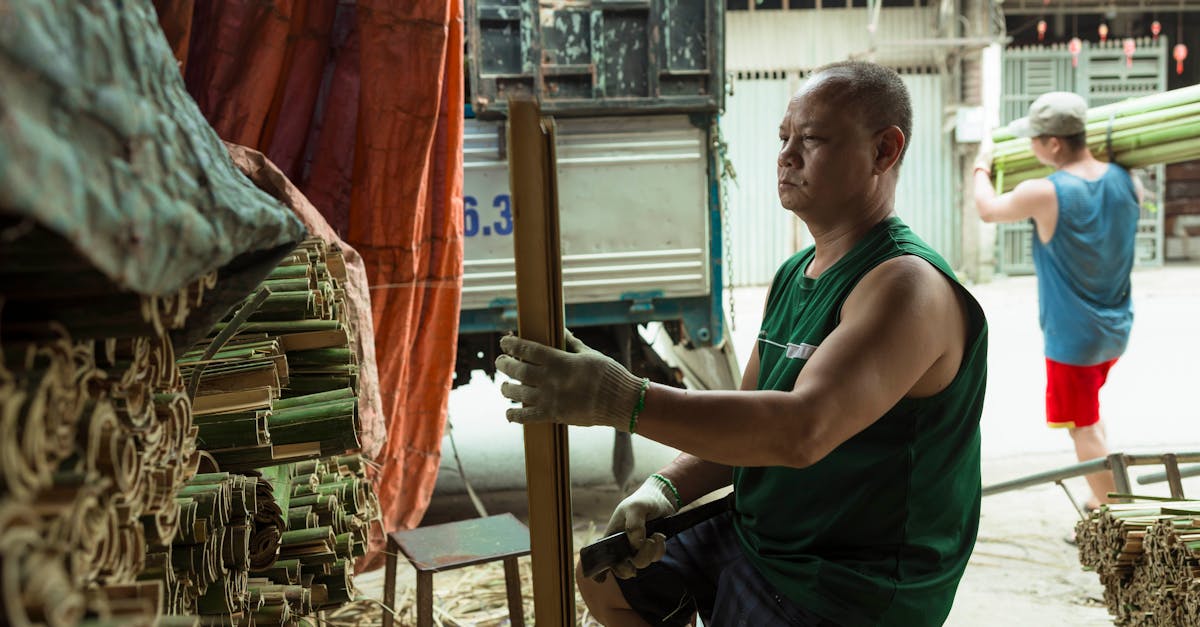
Advertisement
Embracing Ethical Labor Practices
Ethical labor practices are a cornerstone of the mindful fashion movement. Awareness concerning sweatshop labor and exploitative conditions has pressured brands to ensure fair wages and safe working environments. The Fashion Transparency Index by Fashion Revolution reveals that brands adopting transparent supply chains are gaining consumer trust. Brands such as Everlane prioritize ethical production by providing detailed factory information and fair payment to workers, fostering an industry shift towards accountability and fairness.
Advertisement
Innovation in Consumption: upcycling and Repair
The "make, use, dispose" model of fashion consumption faces a revolution through upcycling and repair. Upcycling involves transforming discarded materials into new creations, contributing to waste reduction. The Ellen MacArthur Foundation advocates for a circular economy model that promotes reusable products. Initiatives like Levi's "Buy Better, Wear Longer" encourage consumers to repair rather than replace, echoing the values of a less wasteful future.
Advertisement
Tech-forward Sustainability: Artificial Intelligence and Blockchain
Innovations in technology have bolstered sustainable practices in fashion. Artificial intelligence helps optimize supply chains by forecasting trends and reducing overproduction. Meanwhile, blockchain technology builds accountability by tracking each item's journey, striving for transparency from farm to fashion. A study in the Journal of Emerging Technologies in Accounting indicates blockchain's potential in authenticating sustainable claims and curbing greenwashing.
Advertisement
Consumer-Driven Demand for Change
The pressing demand for sustainable fashion comes not only from industry leaders but from consumers themselves. Millennials and Gen Z, driven by eco-consciousness, prioritize lifestyle choices aligning with sustainability. McKinsey & Company's research highlights that 60% of millennials actively seek sustainable options when purchasing clothing. This generation's influence is undeniable, prompting brands to meet ethical expectations and remain competitive in the marketplace.
Advertisement
Overcoming Challenges in Mindful Fashion
Despite its promise, mindful fashion encounters challenges such as high production costs and scalability issues. Sustainable production often incurs greater expenses, leading to higher price points. Moreover, achieving significant scale without losing ethical principles remains a hurdle. A balance between cost-effectiveness and responsibility is essential for widespread adoption. According to the U.S. Small Business Administration, strategic partnerships and innovation are vital in overcoming these barriers and expanding the reach of sustainable fashion.
Advertisement
Conclusion
The mindful fashion movement signifies an inspiring convergence of beauty and ethics, where each garment tells a story of conscious choices. As awareness grows, consumers continue to wield influence over the industry, shaping trends towards a sustainable future. Innovations in materials and technological advancements promise a fashion industry that respects both people and the planet. Continued dedication from consumers and industry leaders can ensure that mindful fashion becomes more than a buzzword but a lasting standard.
Advertisement