Mindful Elegance Navigating Sustainable Style
Introduction
In today's fast-paced fashion industry, sustainability has emerged as a crucial component of mindful elegance. As more consumers become environmentally conscious, they seek ways to integrate eco-friendly practices into their wardrobes. Sustainable style is not only about protecting the environment but also about making thoughtful and elegant fashion choices. By emphasizing quality over quantity, individuals can create timeless styles that have less environmental impact. With a focus on ethical production, sustainable fashion also advocates for fair treatment of the workers involved. In understanding sustainable style, one champions elegance that goes beyond aesthetics to positively impacting the world.
Advertisement
The Core of Sustainable Fashion
Sustainable fashion revolves around a commitment to safeguarding the planet while offering elegant wear. This entails the use of eco-friendly materials such as organic cotton, bamboo, and recycled fibers. Consumers are now more discerning, demanding transparency regarding the lifecycle of their clothing items, from production to disposal. The fashion industry responds by implementing closed-loop systems — recycling and reusing materials to minimize waste. Moreover, sustainability extends to reducing water usage, lowering carbon emissions, and supplying garments that biodegrade naturally. These indices set the foundation for a world where elegance harmonizes perfectly with ethical environmental practices.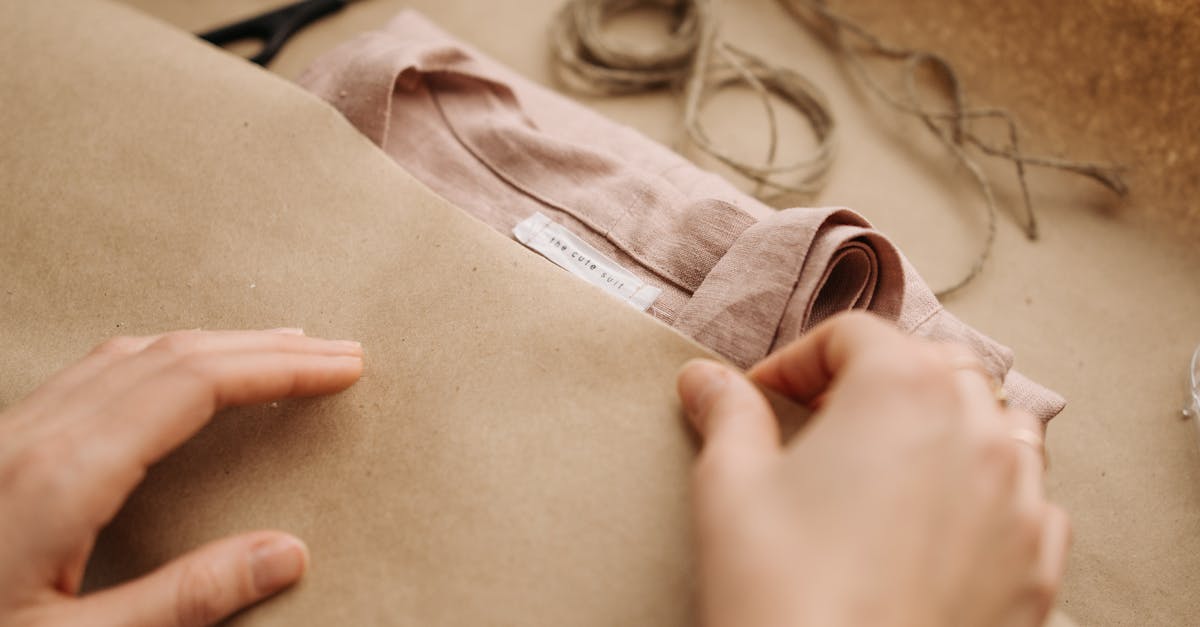
Advertisement
The Role of Slow Fashion
Slow fashion stands opposite to the fast-paced nature of traditional fashion cycles. This approach encourages consumers to invest in high-quality pieces that last longer, shifting focus from quantity to quality. With emphasis on craftsmanship and timeless designs, slow fashion reduces the churn rate of clothing, fostering mindful purchasing. Supporting small, local businesses often ensures garments are handmade, further enhancing their uniqueness and longevity. This approach urges consumers to ask essential questions about their purchases: Where was it made? By whom? What materials were used? Such inquiries elevate the buying experience into a conscious effort geared toward sustainability.
Advertisement
Ethical Production Standards
Ethical production is vital where sustainability and elegance intersect. Beyond environmentally-friendly materials, the focus shifts to those behind the scenes. It includes fair wages, safe working conditions, and respect for workers' rights. Transparency in supply chains has become a pivotal factor in consumers' decisions, pushing brands towards more humane practices. Fashion houses now partner with fair-trade organizations to ensure that elegance does not come at the cost of exploitation. Recognizing the human element in fashion fosters a culture of care — a journey towards holistic, sustainable style.
Advertisement
Iconic Brands Leading the Way
Some iconic brands have emerged as pioneers in the sustainable fashion industry. Brands like Patagonia, Stella McCartney, and Eileen Fisher incorporate eco-friendly practices into their manufacturing processes. Their dedication to sustainability shows in their innovative use of materials such as recycled polyester and regenerated cashmere. By advocating the wear and repair model, these companies promote longevity in style. Through regular sustainability reports, they engage transparently with consumers, maintaining trust and credibility. These efforts inspire the fashion world, showing that sustainability can seamlessly align with luxury and elegance.
Advertisement
Consumers' Role in Sustainability
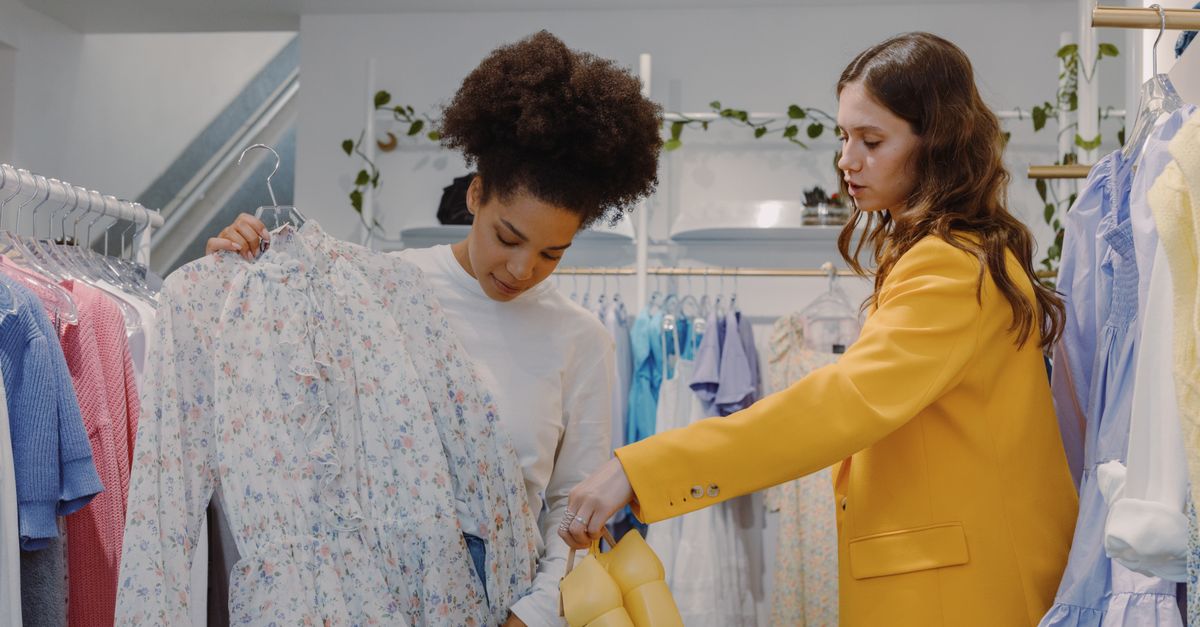
As powerful agents of change, consumers play a pivotal role in the arena of sustainable style. Through informed purchasing decisions, they encourage brands to adopt eco-friendly practices. By supporting brands that use ethical production methods, consumers ensure their wardrobes reflect their values. Conscious shopping includes thrifting and utilizing secondhand marketplaces, which extend the life of clothing and reduce wastage. Sharing repair and recycling information on social platforms further inspires sustainability. Thus, consumers weave mindful elegance into their everyday choices, fostering a culture of awareness and environmental responsibility.
Advertisement
The Future of Sustainable Fashion
The future of sustainable fashion glows with hope and excitement. As technology advances, designers experiment with innovative materials — from lab-grown fabrics to algae-derived textiles. These innovations transform traditional silhouettes into futuristic eco-friendly masterpieces. As the fashion industry leans on artificial intelligence, virtual fitting rooms limit unsustainable returns, reducing emissions linked to logistics. Moreover, fashion weeks now incorporate sustainability-focused discussions, spreading awareness globally. These measures signify progression toward a sartorial era where elegance and sustainability remain integral, finalizing elegant solutions for common global challenges.
Advertisement
Challenges in Embracing Sustainable Elegance
Despite its importance, sustainable fashion faces significant challenges. Greenwashing, where companies falsely claim eco-friendly practices, misleads consumers and undermines genuine sustainable efforts. High costs of sustainable production can limit access, making ethical fashion choices less attainable for some individuals. Additionally, embedded habits from fast fashion impede the gradual shift towards sustainability. However, collaborative global efforts from governments, industry leaders, and consumers can manifest meaningful change. Through honest market claims, incentives for sustainable innovations, and educational outreach programs, sustainable elegance is achievable and inclusive for all.
Advertisement
The Power of Personal Contribution
Every individual holds the potential to contribute to a more sustainable world through their fashion choices. Swapping and donating unused clothes foster a communal spirit, curbing waste. Individuals can host clothing swaps or initiate crowdfunding for innovations in sustainable textiles. Educating oneself and others about the environmental impact of fashion choices empowers mindful decision-making. By embracing sustainable habits, individuals magnify elegance through their responsible actions. Their contributions echo across society, reassuring that small steps pave the way for global transformations.
Advertisement
Summary
Ultimately, navigating sustainable style with mindful elegance presents a pathway to positive change. Sustainable fashion intertwines eco-friendly choices with the utmost elegance, advocating quality, and ethical standards. Consumers hold the reins of transformation, propelling brands towards sustainable practices. Challenges, although present, provide opportunities for collaborative problem-solving and innovation. As more embrace the sustainable journey, fashion becomes a beacon of environmentally conscious choices underpinning elegance. In doing so, individuals and communities foster a future that aligns style with stewardship of our planet.
Advertisement