Exploring Harmonic Symmetry in Fashion
Introduction
In beauty and fashion, symmetry often reigns supreme, playing a key role in design and allure. From clothing patterns to facial harmony, the quest for balanced proportions captivates the industry, intertwining with aesthetics and science alike. Discover the bridges between nature's geometry and our ever-evolving wardrobe choices.
Advertisement
The Allure of Symmetry
Symmetry boasts universal appeal, offering a sense of order and harmony that our brains find pleasing. In fashion, harmonic symmetry manifests in patterns, cuts, and styles, creating visual consistency. This allure parallels natural occurrences like butterfly wings and sand dunes—making these aesthetic elements feel innately familiar.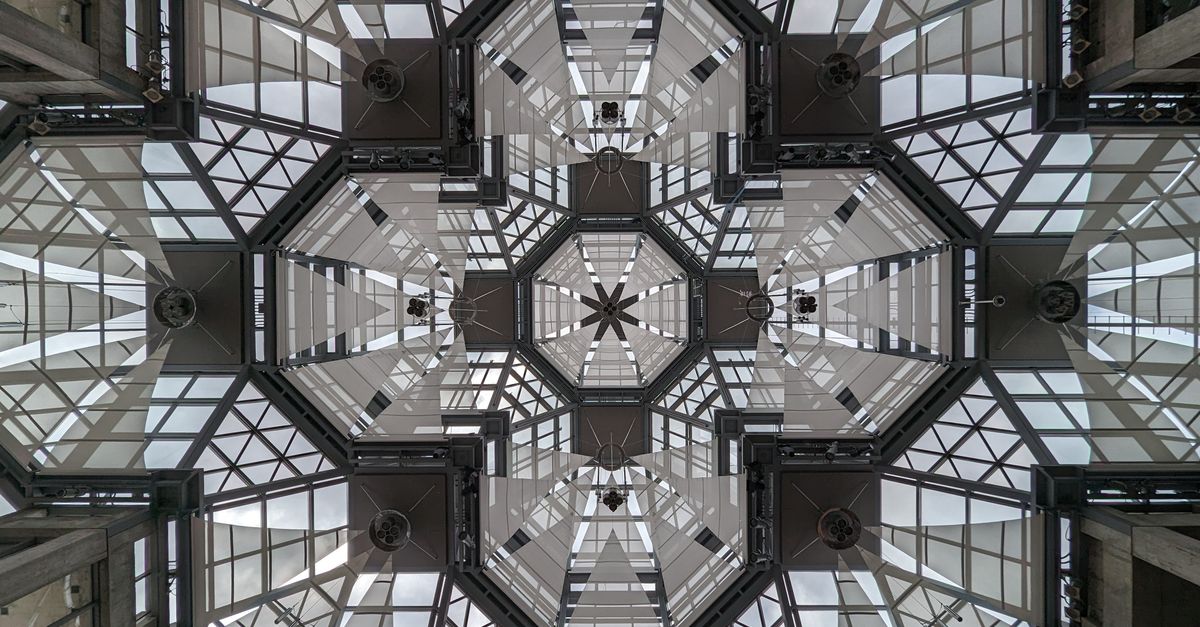
Advertisement
Defining Harmonic Symmetry
Harmonic symmetry refers to balanced proportions that resonate aesthetically, often based on mathematical concepts like the golden ratio. Fashion draws from these principles to craft garments that flatter the human form. Designers leverage symmetry not just for induced harmony but also as a canvas to explore creative asymmetry.
Advertisement
Symmetry and Pattern Play
Patterns often showcase harmonic symmetry through repetitive motifs and structured design. Houndstooth, argyle, and checkerboard patterns inherently embody symmetrical principles, drawing the observer with their rhythmic consistency. While these patterns are timeless, modern designers infuse playful twists, blending tradition with innovation.
Advertisement
Facial Symmetry in Beauty
In beauty, facial symmetry is linked to attractiveness perceptions. The portrayal of balanced features often suggests health and genetic fitness. Cosmetic innovations like contouring or precision in hairstyling amplify or mimic these symmetrical nuances, crafting 'perfect' faces that echo nature's ideal forms.
Advertisement
Creative Asymmetry's Role
While symmetry largely dictates beauty, designers also challenge its conventions. Asymmetric designs, whether in skirts or hairstyles, provide unexpectedness and intrigue. This creative divergence reimagines harmonic symmetry, offering a fresh narrative that still respects balance, albeit unconventionally.
Advertisement
Evolution and Cultural Symmetry
Cultural influences inform harmonic symmetry, shaping local fashion identities. In Japan, the balanced aesthetics of the kimono serve as a historic example, embedding philosophy within fabric folds. With globalization, cross-cultural exchanges imbue traditional symmetric principles with modern eclecticism, broadening perspectives.
Advertisement
Conclusion
Harmonic symmetry intricately weaves beauty and fashion with timeless appeal, engaging both mathematicians' minds and observers' eyes. Its application spreads from structured fashion designs to balanced beauty ideals, forging a bond between what naturally exists and what is creatively imagined. As styles evolve, harmonic symmetry will continue to inspire and challenge the delicate dance between tradition and innovation.
Advertisement