Futuristic Fashion Forange: Embracing the New Era
Introduction
Futuristic fashion is no longer a distant idea confined to sci-fi movies. Today, it's a thriving trend, marking a departure from conventional style and pushing the boundaries of what fashion means. As we advance into 2024, designers are leveraging technology, creating garments with materials and methods that seem almost otherworldly. This paradigm shift is not just about aesthetics but intertwines with sustainability, technology, and cultural shifts. From clothing that interacts with its environment to fabrics grown in labs, the fashion world is on the brink of a transformation. Let's explore how this innovative domain is reshaping our sartorial future.
Advertisement



Tech-Infused Textiles
One of the pivotal aspects of futuristic fashion is the seamless blend of textiles with technology. Designers are engineering fabrics embedded with smart tech, offering features like temperature regulation, health monitoring, and color-changing capabilities. Imagine wearing a jacket that warms up during a cold breeze or a dress that alters hues based on your mood. These tech-integrated textiles redefine comfort and functionality, providing users with clothing that adapts to their needs. As research intensifies in wearables, this trend is set to expand, merging the gap between fashion and technology like never before.
Advertisement
Sustainable Innovations
As environmental concerns take precedence, futuristic fashion is championing eco-friendly innovations. The industry is seeing a rise in biodegradable materials, lab-grown textiles, and closed-loop production processes. Algae-based fabrics and mushroom leather are emerging as sustainable alternatives to traditional materials, leaving a minor carbon footprint. Moreover, brands are embracing "digital fashion," where virtual garments can be owned and worn in the metaverse. Such breakthroughs promise a greener future, reducing waste and conserving resources, while still allowing individuals to express their style.
Advertisement
Augmented Reality Runways
Gone are the days when fashion shows were confined to exclusive venues. Augmented reality (AR) is ushering in an era where fashion can be experienced from anywhere in the world. Designers are utilizing AR technology to host virtual runway shows, enabling global audiences to view and interact with collections from their devices. Not only does this democratize access, but it also presents endless creative possibilities for showcasing avant-garde designs. Users can visualize themselves in outfits through their smartphone cameras, allowing for a personalized fashion experience that transcends physical boundaries.
Advertisement
Cultural Convergence
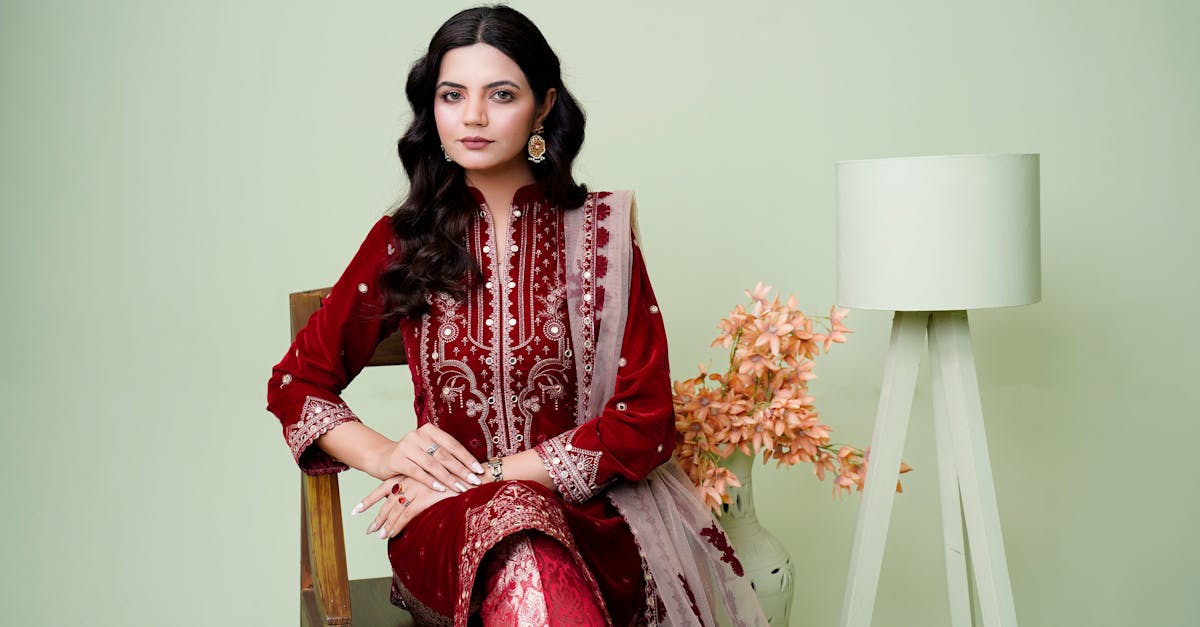
Futuristic fashion is also about melding diverse cultural influences with modern design sensibilities. With globalization widening access to different cultures, designers are drawing inspiration from both east and west. Traditional patterns coexist with contemporary silhouettes, and ancient crafting techniques merge with cutting-edge technology. This cultural convergence enriches the fashion dialogue, bringing forth a new narrative that celebrates diversity, history, and innovation. The future of fashion will be globally conscious, bridging people through shared aesthetic values.
Advertisement
The Rise of Body Customization
In the era of personalization, futuristic fashion is moving towards tailoring clothing to individual body profiles. 3D scanning and printing technologies allow designers to create garments tailored precisely to the wearer's measurements, offering a custom fit like never before. This customization goes beyond fit, extending to personalized design choices, such as textures, colors, and patterns curated by customers themselves. This technological evolution provides inclusivity and choice, ensuring everyone can find fashion that resonates with their individuality.
Advertisement
Fashion and Biotechnology
Biotechnology is making strides in the fashion world, promising revolutionary changes. Imagine fabrics that self-repair when torn or jeans that "grow" with the wearer. Scientists are exploring biofabrication, where organisms create fibers, potentially eliminating harmful manufacturing processes. Incorporating living organisms into fashion isn't just a novel idea; it's a pathway to sustainable practices and new design frontiers. This intertwining of science and fashion opens avenues to new aesthetics and functionalities previously thought impossible.
Advertisement
Fashion in the Metaverse
The fusion of fashion with the digital world is creating digital wardrobes for virtual realities like the Metaverse. Avatars can don digitally crafted clothing, expressing personality and style in new ways. This trend isn't merely about fantasy; it impacts real-world fashion by inspiring physical collections based on digital counterparts. Virtual fashion shows, marketplaces, and social interactions redefine our understanding of identity, ownership, and fashion statements. The digital realm offers infinite possibilities for experimenting with style, breaking free from physical constraints.
Advertisement
Challenges and Considerations
While futuristic fashion opens numerous possibilities, it also poses challenges. There are concerns about data privacy with tech-infused garments and the ecological impact of energy-intensive processes. Moreover, the digital divide is a barrier in accessing these advancements universally. Ethical considerations, production costs, and changing consumer attitudes also influence advancements. Despite these hurdles, the potential benefits make it imperative for stakeholders to collaborate, ensuring the sustainable, ethical, and inclusive evolution of fashion.
Advertisement
Summarizing the Future of Fashion
Futuristic fashion is redefining how we perceive clothing, melding innovation with sustainability and cultural narratives. As technology and fashion converge, new possibilities arise, offering personalized wearables that are adaptable, expressive, and sustainable. This trend is poised to revolutionize identity, industry practices, and how we engage with the digital world. Embracing these changes while addressing challenges will be essential to shaping an inclusive and mindful fashion future. As we step into a new era, fashion continues to be both a reflection and a propellant of human ingenuity.
Advertisement