Futurist Fashion Insights Thinking 2027
Introduction
As the world strides forward into 2027, the fashion industry is on the cusp of a revolution, driven by technology, sustainability, and changing consumer values. Futurist fashion insights for this era reveal a realm where functional designs meet personal expression in unprecedented ways. The merging of tech with textiles enables garments to transform into engaging interfaces, while eco-conscious innovations redefine luxury. The quest for individuality in a digital age beckons niche fashions to replace mass trends. This article explores the anticipated zenith of fashion’s futuristic evolution, unraveling how the intricate tapestry of trends shapes the sartorial landscape. Let's embark on a speculative journey, casting an eye on the attire of the future.
Advertisement
Technologically Integrated Apparel
The future of fashion in 2027 sees clothing transforming into interactive hubs, courtesy of advanced wearable tech. Smart fabrics, embedded with sensors and microchips, allow garments to perform tasks ranging from health monitoring to seamless connectivity. Innovation in conductive fibers means clothes react to user needs, adapting to environmental changes or displaying digital information. Error-free translation of gestures into controls enables personalized navigations for wearable devices. Brands like Google Jacquard and CuteCircuit push these boundaries, crafting fashion-forward apparel that seamlessly integrates tech. Individuals can expect clothing that provides health updates or changes according to user moods, merging aesthetics with utility.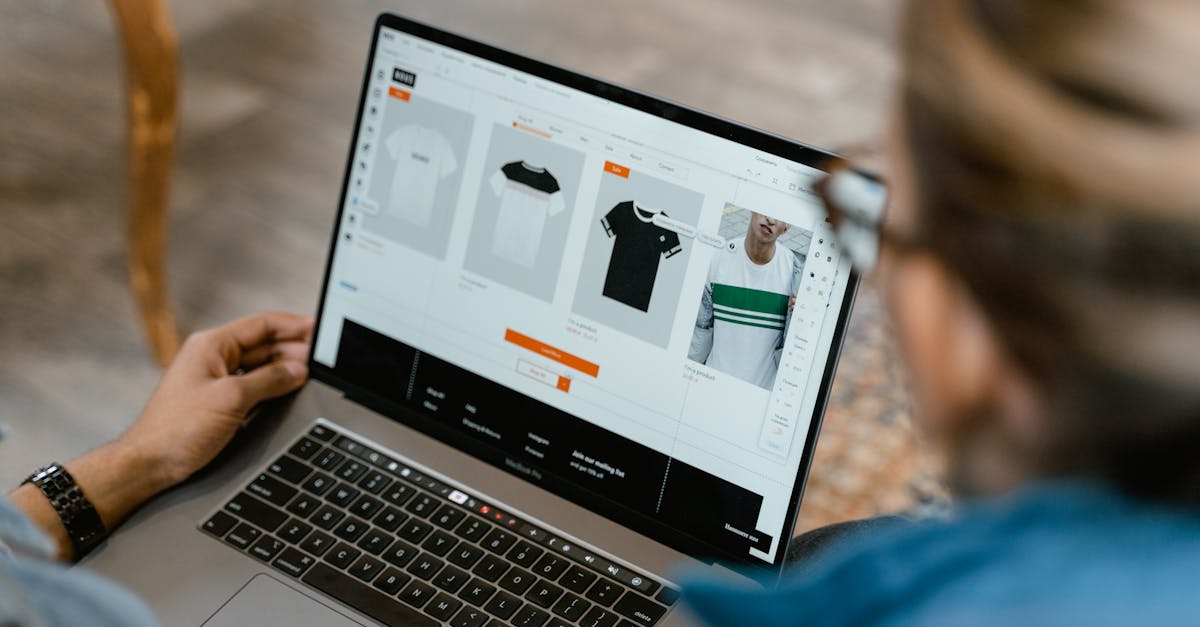
Advertisement
Sustainability and the Eco-Revolution
Amid rising concerns over climate change, sustainability is not just a trend but a necessity. By 2027, the fashion industry envisions a circular economy, prioritizing materials and processes that minimize environmental impact. Innovations in bio-fabrications, like lab-grown leather and plant-based textiles, challenge traditional production. Fashion brands adopt closed-loop systems to recycle textiles and reduce waste, driving a zero-waste imperative. Organizations like Future Fabrics Expo promote eco-minded designers, while consumers rally for transparency and ethical sourcing. The rise of vintage and upcycled fashion reflects a growing preference for longevity, sparking the age of sustainable sartorialism.
Advertisement
Digital Avatars and Virtual Fashion Shows
The integration of augmented reality (AR) and virtual reality (VR) propels fashion beyond tangible garments into virtual realms by 2027. Digital avatars dressed in exclusive designer outfits grace catwalks, bridging the physical-virtual divide. Virtual fitting rooms allow customers to try on clothes digitally, creating individualized shopping experiences without leaving home. As brands host immersive fashion shows in digital landscapes, the community-driven aspect of fashion flourishes. Companies like Balenciaga and Gucci pioneer in this sphere, concocting parallel worlds where digital collections live. Fashion-forward augmented accessories personalize outfits with AR, casting an innovative shadow on traditional fashion paradigms.
Advertisement
3D Printing and Customized Designs
3D printing steers the fashion industry into realms of hyper-customization, empowering individuals to wear unique designs tailored to their specifications. By 2027, advancements in 3D printing technology allow for the production of personalized clothing on-demand, reducing lead times and eliminating waste. Designers use 3D-printing techniques to create avant-garde couture with intricate patterns unattainable through conventional methods. Empowered consumers co-design with brands, defining fabrics' texture, fit, and color. As platforms foster creative exchanges, inventive minds like those at Iris van Herpen etch personalized silhouettes. A dynamic between designer and wearer coalesces, contrary to the once-linear fashion lifecycle.
Advertisement
Cultural Diversity and Influence
The globalization of fashion introduces cultural nuances that shape clothing styles across metropolises by 2027. Exploration of diverse cultures enriches design standards, heralding an era characterized by intercultural melding in fashion. Designers facilitate multicultural dialogues through garments representing traditions or crafting culturally adaptive designs. Brands and ateliers worldwide capitalize on cultural authenticity, marrying international motifs with modern fashion sensibilities. Fashion’s open arms prompt incorporation and creative expression, challenging reductive narratives and showcasing multicultural aesthetics. Moves by fashion giants ensure inclusivity isn't just a narrative, but a reality encapsulated in emerging collections.
Advertisement
Gender Fluidity in Fashion
As societal constructs evolve, 2027 calls for a dissolution of fashion's gender binary. Apparel speaks a universal language, transcending traditional labels. Inclusive designs focus on neutrality and fluidity, promoting individuality beyond prescribed norms. Fashion-forward brands specialize in genderless collections, echoing a radical transformation in how society perceives clothing. Non-binary fashion icons and advocates champion collections that allow freedom from constraints, culminating in trend-breaking designs. Styles by labels like Telfar and Palomo emerge, nonchalantly defying convention. As androgyny gains prominence, gender-inclusive fashion fosters nuances in sartorial craftsmanship, proving transformative across runways.
Advertisement
Technological Influence on Trend Forecasting
AI and machine learning redefine trend forecasting by 2027, powering predictive analysis and intelligent design. Algorithms analyze data from social platforms, runways, and markets, predicting emergent trends with precision. Designers embrace AI collaborations to calibrate collections to consumer desires, aligning aesthetics with statistical insights. Real-time analytics shape marketing strategies and supply chain efficiencies, bolstering brand responsiveness. Startups invest in AI-driven platforms, fine-tuning stylistic variables that herald upcoming trends. A fashion landscape infused with digital intelligence highlights creativity coupled with exactitude, offering an industry crafted on data-driven foresight and customer interactivity.
Advertisement
Tech-Infused Luxury and Fashion Accessibility
The democratization of luxury converges with tech-driven designs to amplify fashion accessibility by 2027. The rise of affordable, tech-enhanced luxury blurs lines between haute couture and mass consumerism. Brands emphasize attainable luxury, incorporating innovative textiles like graphene, delivering unparalleled comfort. Virtual platforms democratize access, removing geographical confines and economic barriers, expanding premium experiences. Multi-channel retail solutions offer personalized interactions based on demographic data, ensuring exclusivity and inclusion coalesce seamlessly. As fashion becomes ubiquitous, consumer empowerment reaches new heights, proving that luxury is not confined but shared.
Advertisement
Conclusion
As we look toward 2027, futurist fashion insights forge a path guided by innovation and inclusivity. Emerging trends highlight a fashion landscape that balances tech-enhanced advancements with eco-conscious practices. The integration of digital worlds reveals limitless possibilities for creativity and personalization. Anticipated transformations reinforce fashion's role as both functional and expressive, steering cultural dialogue and redefining industry standards. While the limits of present realities shatter, the threads of 2027 weave expectation and vision, composing a vibrant tapestry that promises to redefine what it means to dress for the future.
Advertisement