Fashion Style Innovation 2030
Introduction
Fashion is entering a revolutionary decade as we look toward 2030, marked by transformative innovations reshaping our wardrobes and shopping habits. This era of fashion blends technological advancements with cultural shifts, introducing an array of styles and trends. From sustainability-driven designs to the rise of digital fashion, 2030 promises a dynamic landscape. What are the forces driving these changes, and how are designers responding to modern-day challenges? Style innovation in 2030 will address both environmental concerns and personal expression. As the industry evolves, it becomes a mirror reflecting society’s values and advancements.
Advertisement



Sustainable Fashion Forward
By 2030, sustainable fashion has transitioned from a niche market to the mainstream, becoming a key pillar of the industry. Brands are adopting eco-friendly materials and innovative production techniques to lessen environmental impacts. Natural fibers, recycled plastics, and biodegradable fabrics dominate clothing lines. Circular fashion, now integral to many businesses, embraces upcycling and resale models to prolong garment life. Consumers, more conscious of ecological issues, demand transparency regarding sourcing and production processes. This cultural shift facilitates the growth of brands that prioritize sustainability, fundamentally altering fashion's impact on the planet.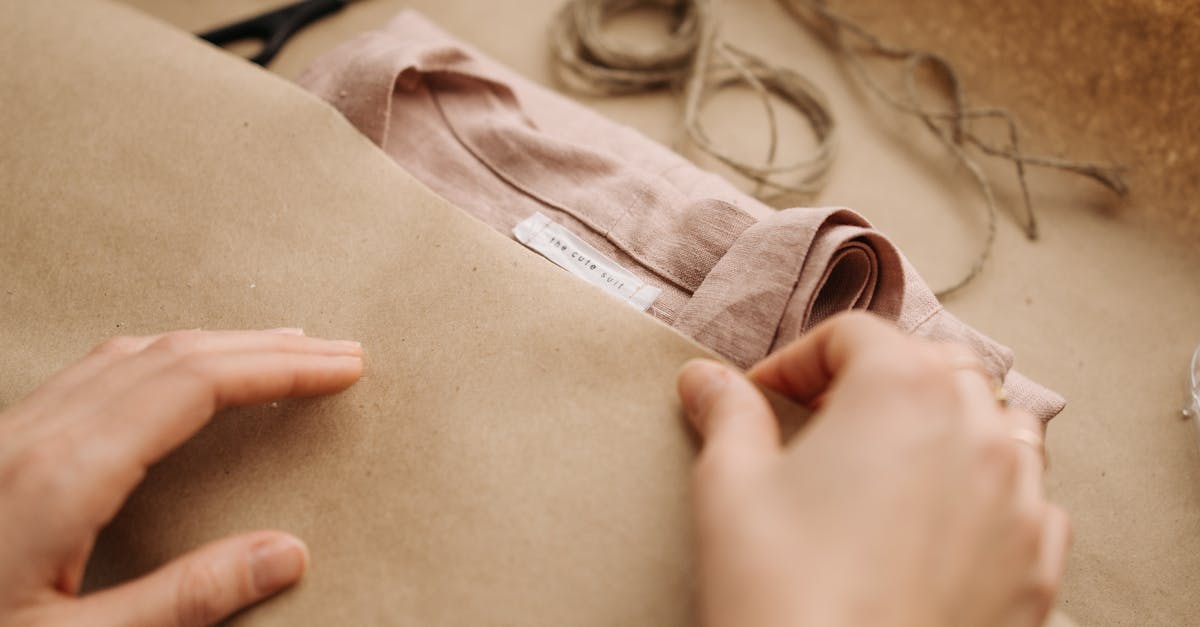
Advertisement
Technology Revolutionizing Style
Technological innovations are redefining fashion, offering limitless possibilities for design and functionality. Smart textiles and wearables have become commonplace, with garments capable of monitoring health signals and adjusting temperature. 3D printing transforms garment production, allowing for customization and on-demand manufacturing. Augmented reality (AR) mirrors and digital fitting rooms enhance the shopping experience, ensuring perfect fit from the comfort of one’s home. Artificial Intelligence (AI) analyses trends and consumer preferences to forecast future styles, offering designers invaluable data insights. Such technological influence provides a glimpse into the future of fashion, where innovation meets practicality and personal taste.
Advertisement
Digital Fashion's Rise
The digital fashion space has burgeoned by 2030, thanks to the convergence of technology and consumer demands for virtual expression. Non-fungible tokens (NFTs) are driving the digital clothing market, allowing users to purchase and wear unique items in virtual spaces. The gaming industry significantly contributes to this growth, with avatars donning high-fashion digital outfits. Virtual influencers and designers cater to an online-centric population, blending real-world artistry with digital creativity. Fashion weeks have embraced virtual runways, reaching global audiences effortlessly. As digital spaces expand, so too does the scope for innovative and boundary-pushing designs.
Advertisement
Cultural Influences and Diversity
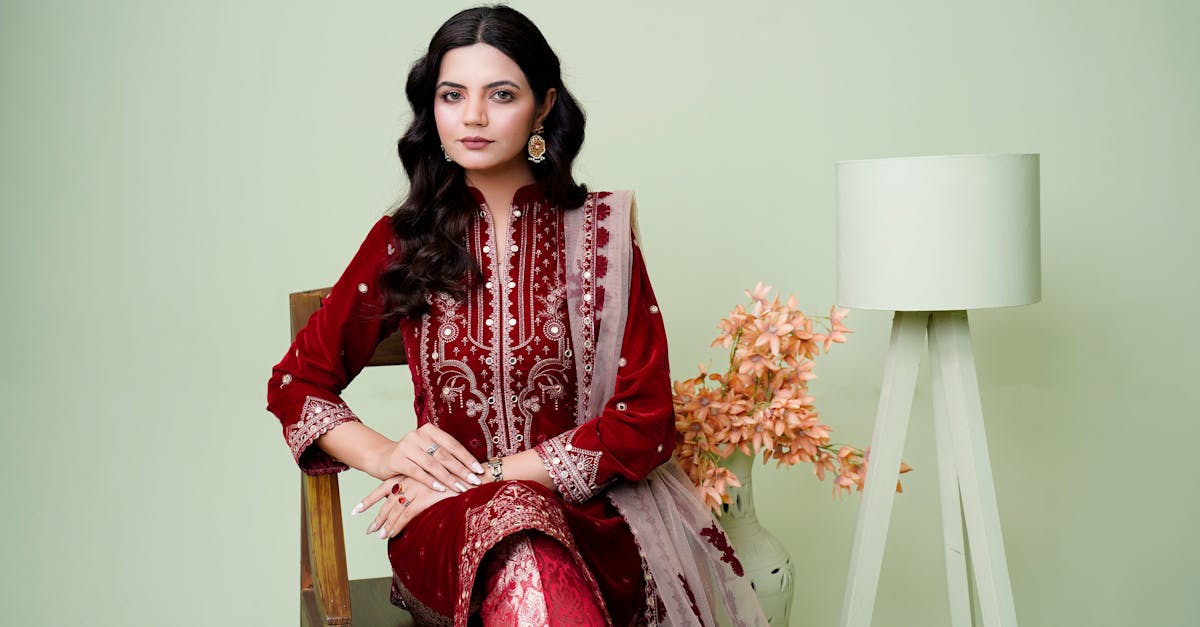
Fashion in 2030 is heavily influenced by cultural diversity and inclusivity, directly impacting global fashion narratives. Designers draw inspiration from traditional and indigenous attire, fusing them with modern aesthetics to honor heritage. Diverse representation in fashion campaigns has become essential, reflecting societies’ commitment to equitable visibility. Body positivity and fluid gender norms shape collections, encouraging authentic self-expression. This inclusive approach challenges the historical Eurocentric bias, promoting a vibrant melting pot of cultures. Fashion in 2030 celebrates individuality, encouraging dialogue across continents and cultures.
Advertisement
Collaboration and Co-Creation
The future of fashion thrives on collaboration and co-creation, fostering creativity between diverse sectors and talents. Partnerships between technology companies and fashion houses drive innovative designs, blending engineering with artistry. Crowdsourcing has become a popular method for brands to involve consumers in the design process, leading to personalized collections that resonate with audiences. Open-source fashion enables independent designers to share patterns and ideas globally, fostering a culture of shared knowledge. These collaborative efforts bridge gaps between industries, promoting creative synergy and innovation.
Advertisement
Fashion and Technology Ethics
As fashion and technology continue to merge, ethical considerations become paramount. Designers and brands face increasing pressure to ensure ethical labor practices and fair wages amidst globalization and technological production. Privacy concerns arise with wearable technology that collects user data, necessitating transparent data policies. The environment remains a prime concern, as brands must balance innovation with sustainable practices to minimize their ecological footprint. As AI and automation increase efficiency in production, there’s a need to consider the potential impact on jobs and traditional craftsmanship. Addressing these ethical issues is crucial for a future-focused, responsible fashion industry.
Advertisement
Challenges and Opportunities
With innovation comes a set of challenges and vast opportunities for the fashion industry by 2030. Ensuring equity in the rapidly evolving digital fashion space remains critical, preventing accessibility barriers for diverse demographics. Educating emerging designers and talent to leverage technology in creative ways will support the industry’s growth. Economic fluctuations and resource scarcity pose obstacles, mandating adaptive business models resilient to global shifts. Government policies and regulations shape the industry landscape, often influencing manufacturing and trade. Fashion houses that embrace change and navigate challenges with agility will position themselves at the forefront of industry progress.
Advertisement
Fashion Education Evolution
Education plays a crucial role in evolving fashion as institutions adapt to the demands of a modernized industry. Curriculum now includes technology integration, sustainability, and cultural competency, equipping students with essential knowledge. Emerging designers learn to craft with innovative materials, aligning their visions with ecological goals. New platforms for showcasing student work, both physically and digitally, offer fresh perspectives to the world. Collaborative workshops and interdisciplinary approaches encourage creativity, tapping into a variety of skills and ideas. Graduates enter the professional sphere as informed and adaptable innovators, ready to tackle a dynamic industry.
Advertisement
Conclusion and Future Outlook
Fashion style innovation in 2030 is a testament to the industry’s resilience and adaptability in the face of change. The harmonization of technology, sustainability, and cultural diversity reflects society's evolving values. As consumers and creators alike embrace new possibilities, the fashion landscape is ripe with opportunity. While challenges remain, the direction toward more inclusive, ethical, and technologically advanced fashion is promising. Looking towards 2040, what further innovations await in the ever-evolving tapestry of global fashion?
Advertisement