Mindful Fashion Reflections Understanding the Impact of Conscious Choices
Introduction
In recent years, the fashion industry has experienced a paradigm shift toward more sustainable and ethical practices. With consumers increasingly aware of the environmental and social implications of their purchases, a movement known as "mindful fashion" has emerged. Mindful fashion focuses on conscious choices, emphasizing transparency, sustainability, and ethical practices. This trend encourages consumers to consider the lifecycle of their garments—from production to disposal. But what exactly does mindful fashion entail, and how is it transforming the industry? In this article, we will explore the key aspects of mindful fashion, its benefits, and its challenges.
Advertisement


Understanding Mindful Fashion
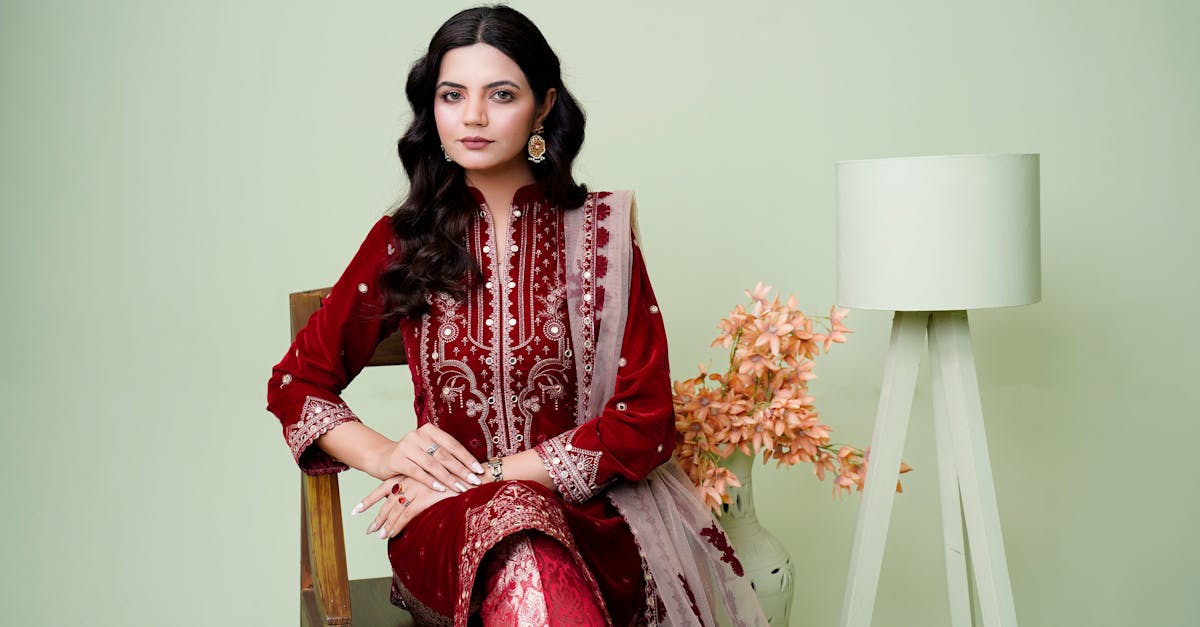
Mindful fashion involves a deliberate approach to clothing consumption, prioritizing both the planet and the people producing garments. It requires consumers to be more aware of their choices, considering the environmental and human impacts of their wardrobe selections. This means choosing quality over quantity, supporting ethical brands, and being informed about garment origins.
By emphasizing mindfulness, the fashion industry hopes to reduce its carbon footprint, promote fair labor practices, and foster a healthier relationship between consumers and their clothes.
Advertisement
The Birth of Sustainable Practices
The mindful fashion movement has significantly influenced brands to reconsider their production methods. Sustainable practices such as using organic materials, reducing waste, and implementing fair trade have gained prominence. Many fashion houses are now exploring eco-friendly textiles like recycled polyester or organic cotton, minimizing the reliance on harmful production methods. Additionally, closed-loop production systems—where waste products are reused—are becoming more common, reducing the environmental impact and conserving resources.
Advertisement
Ethical Considerations in Fashion
A core component of mindful fashion is its emphasis on ethical production practices. This involves ensuring fair wages, safe working conditions, and respect for workers' rights throughout the supply chain. Notably, many brands are partnering with local artisans and craftsmen, promoting traditional techniques while ensuring fair compensation. Transparency is key, with companies openly sharing their production processes, allowing consumers to make informed decisions.
Advertisement
Conscious Consumerism
Mindful fashion isn't solely about production; it extends to consumer behavior. Conscious consumerism promotes the idea of buying less but buying better. This approach encourages individuals to invest in high-quality, durable pieces that stand the test of time, rather than succumbing to fast fashion's lure of constant newness. By valuing craftsmanship and longevity, consumers can reduce waste and contribute to more responsible fashion consumption.
Advertisement
The Role of Technology
Technology is a driving force behind the mindful fashion movement, offering innovative solutions to age-old industry problems. Digital tools allow brands to trace their supply chains, ensuring that every step—from raw material sourcing to final production—aligns with ethical and environmental standards. Virtual try-ons and digital fashion shows also help minimize waste by reducing the need for physical prototypes and samples. As technology evolves, it will continue to play a pivotal role in advancing mindful fashion practices.
Advertisement
Challenges and Criticisms
Despite its positive impact, the mindful fashion movement is not without challenges and criticisms. Maintaining transparency and accountability across complex global supply chains is a significant hurdle. Additionally, sustainable and ethical fashion can be more expensive, creating accessibility challenges for lower-income consumers. The industry grapples with balancing profitability with sustainability, a challenge that requires both industry collaboration and legislative support.
Advertisement
The Influence of Advocates and Influencers
Fashion influencers and advocates play a crucial role in promoting mindful fashion. By educating their audiences and showcasing sustainable brands, they inspire followers to make conscious choices. Social media platforms have become powerful tools for spreading awareness, fostering communities of like-minded individuals committed to sustainable living. Celebrities endorsing eco-friendly practices further amplify the mindful fashion message, normalizing sustainable choices in mainstream culture.
Advertisement
The Future of Mindful Fashion
Looking ahead, the mindful fashion movement is set to expand and evolve. As consumers become increasingly eco-conscious, demand for sustainable and ethical fashion will likely grow. The industry is expected to innovate further, with new materials, production techniques, and business models emerging to meet evolving consumer expectations. Education on sustainable consumption will continue to be essential in fostering widespread commitment to mindful fashion practices.
Advertisement
Conclusion
Mindful fashion reflects a transformative shift toward a more sustainable and equitable industry. By embracing conscious choices, consumers actively contribute to positive change, showing that fashion and mindfulness can coexist powerfully. While challenges persist, the momentum behind this movement promises a brighter, more responsible future for fashion. Ultimately, mindful fashion encourages a deeper connection to the clothes we wear, fostering pride in supporting ethical practices. Every effort counts, and with collective action, the fashion industry can create lasting positive impact.
Advertisement